


The Swarajya Chronicles: Book 2, Chapter 18
Current Focus: The Boy and the Vow (1630–1647)
Progress: 18 / 100 Chapters Completed….
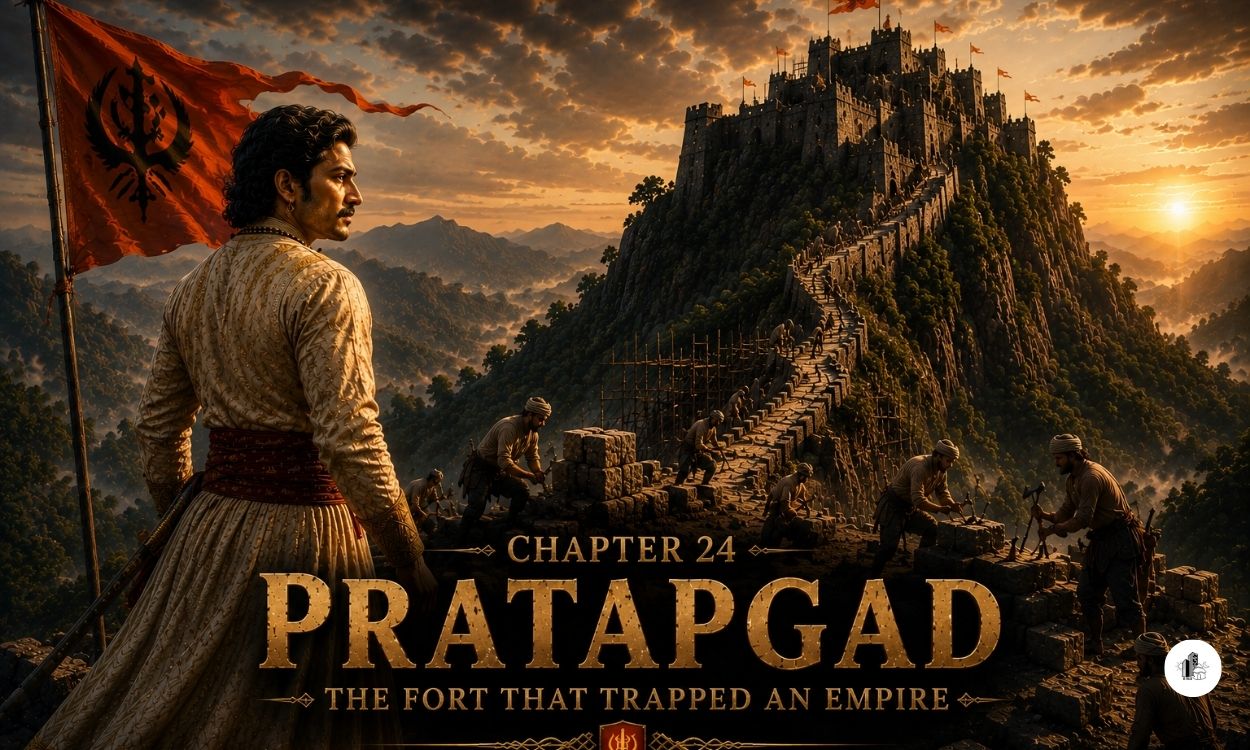
In 1646, a sixteen-year-old boy named Shivaji Bhosale forged a royal seal to steal an entire mountain fort. That mountain was Torna, the highest fortress in the Pune region. It sat more than 4,600 feet above sea level.
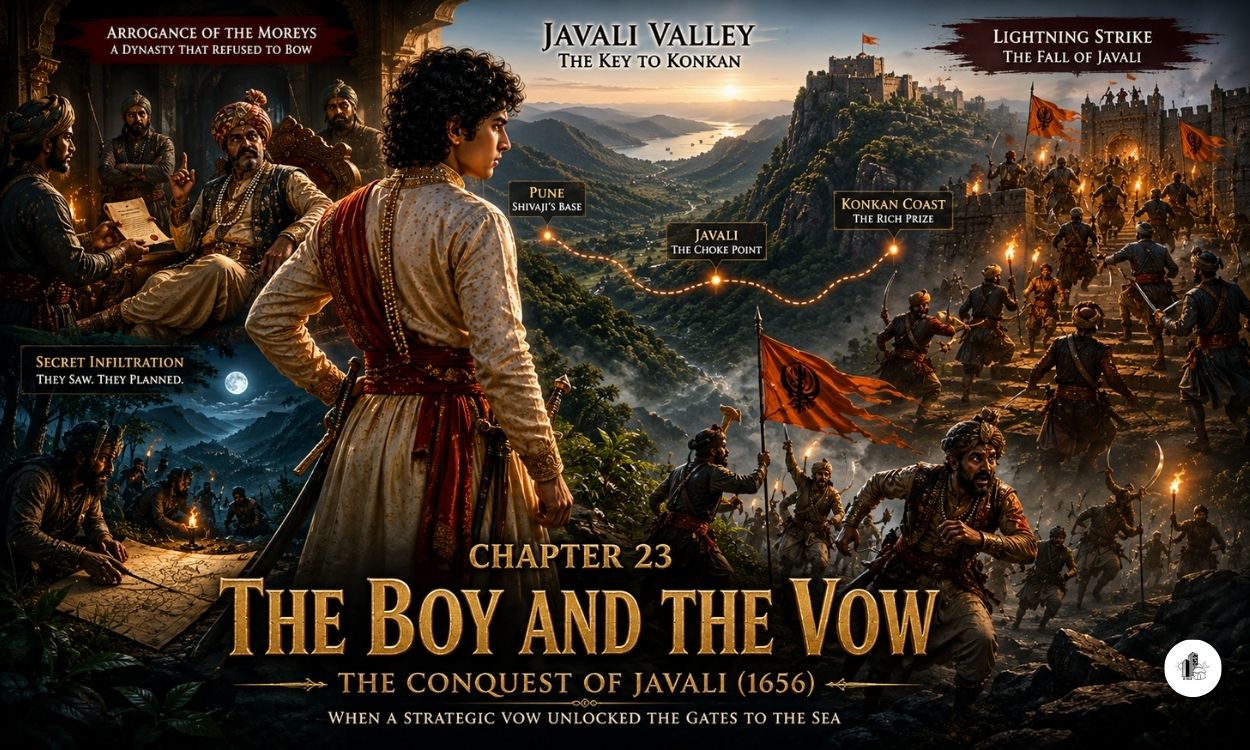
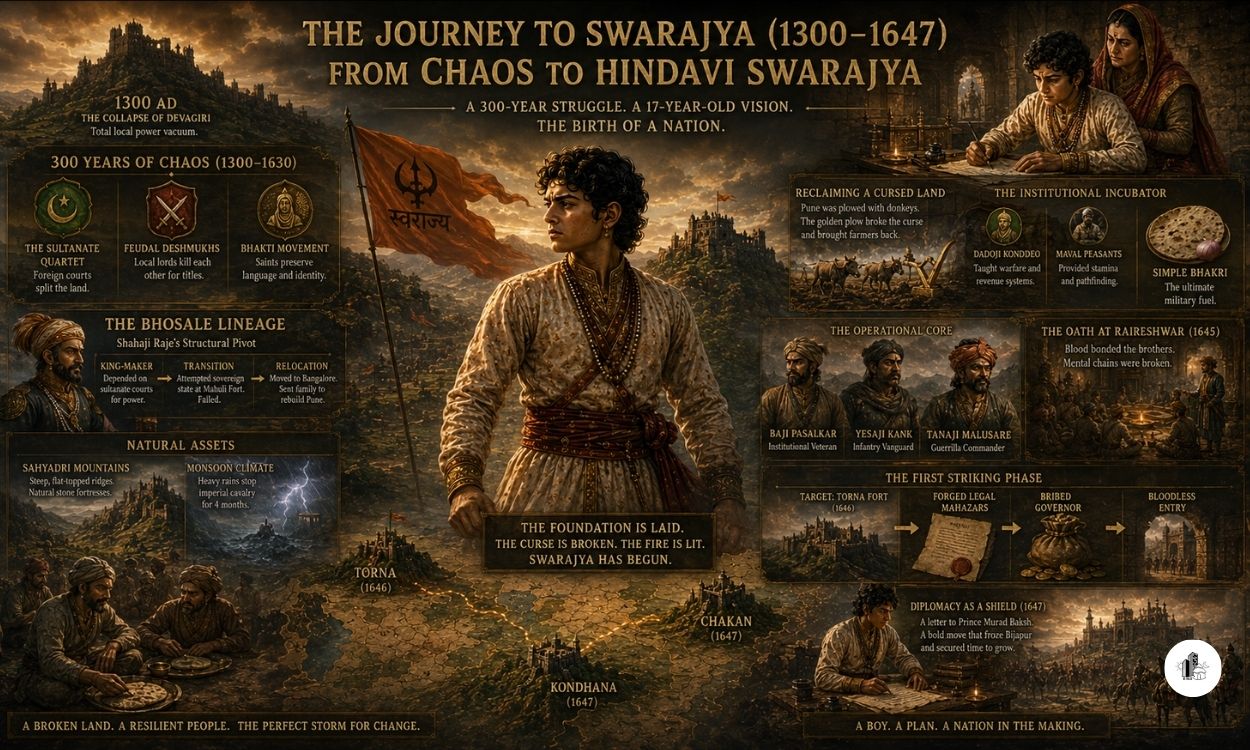
The fort belonged to the Adilshahi Sultanate of Bijapur. Yet, the Sultan’s court in Bijapur was over 200 miles away. This massive physical distance created a dangerous administrative blind spot. Shivaji saw this blind spot and moved fast. He did not launch a bloody frontal attack. Instead, he used regional bureaucracy, bribery, and local demographics to take the gates without firing a single shot.
The Strategic Anatomy of Torna
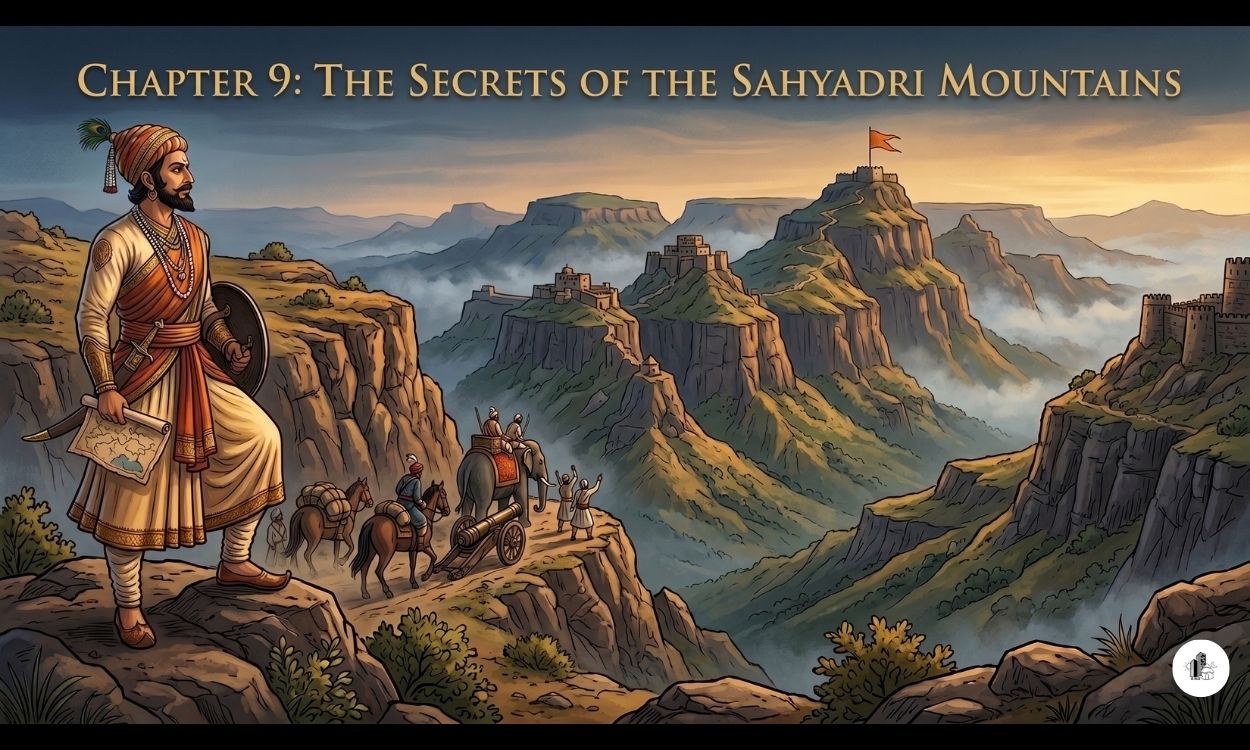
Torna was not just a pile of defensive stones. It was a massive geographical choke point. Historical accounts like the Sabhasad Bakhar describe the mountain as an inhospitable, wind-swept ridge. It controlled the trade routes passing through the Maval valley.

Why Torna Mattered to Local Geopolitics
The Lookout Tower: The fort acted as a massive lookout tower over the western Deccan plateau. Whoever held Torna controlled the tax collections of the surrounding villages.
The High Ridges: The fort featured two long, natural rock ridges called Zunjar Machi and Budhla Machi. These cliffs dropped straight down into deep valleys.
The Weak Link: The fort buildings were falling apart. The garrison inside was tiny because the central government in Bijapur neglected maintenance.
The Border Zone: Torna sat right on the edge of disputed territory. This made it the perfect experimental lab for a young rebel.
“Wait, have you read this yet?”
Exploiting the Weaknesses of the Adilshahi System
The Adilshahi Empire ran its territory using a decentralized system of land grants. They gave local lords, known as Deshmukhs, the right to collect taxes. In exchange, these lords maintained peace and supplied soldiers to the Sultan.
This system bred extreme local corruption. The official governor of Torna fort was lonely, underfunded, and tired. Shivaji did not need a massive army. He needed a calculated strategy to exploit this administrative rot.

The Bureaucratic Weapon: Fake Mahazars
Chhatrapati Shivaji Maharaj understood the legal language of the Deccan. He used Mahazars, which were official legal documents and arbitration awards signed by local authorities.
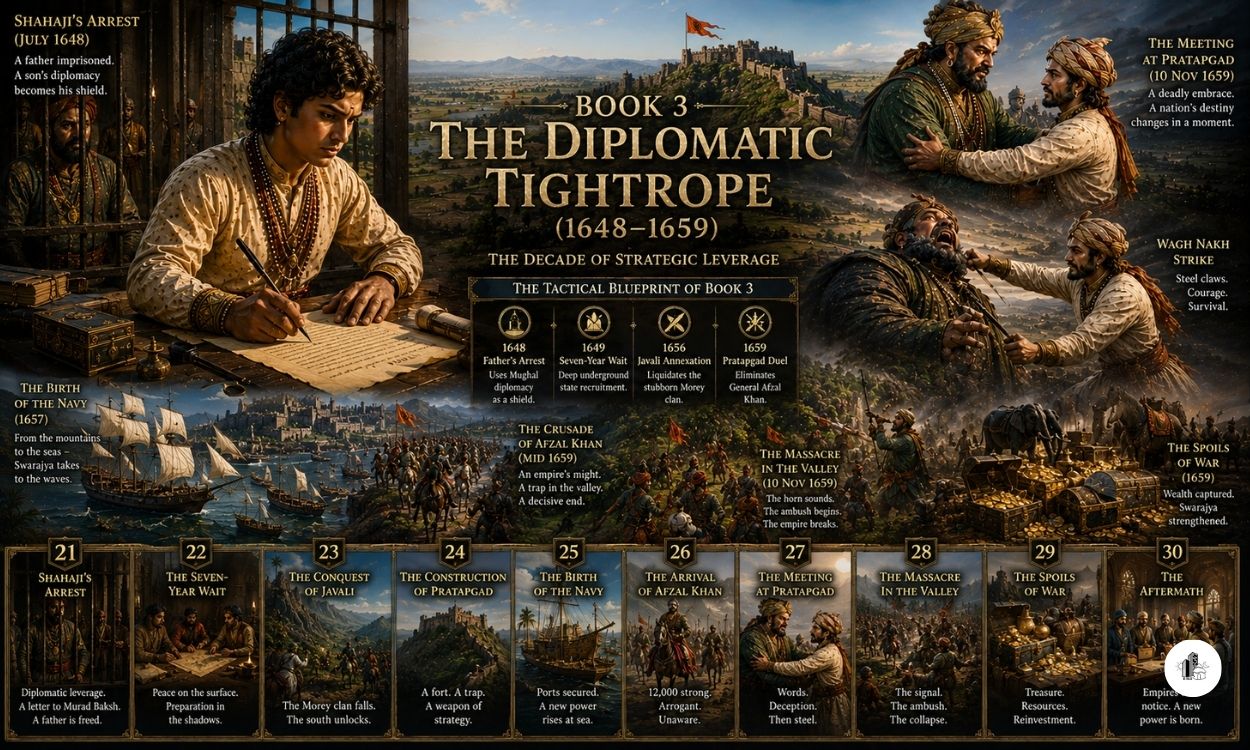
He sent his trusted local diplomats into the fort. They carried bags of gold coins and forged documents, convinced the governor that Chhatrapati Shivaji Maharaj was taking over management on behalf of the Sultan. The governor accepted the bribes and packed his bags. The garrison simply walked away.
Mobilizing the Mavali Infantry
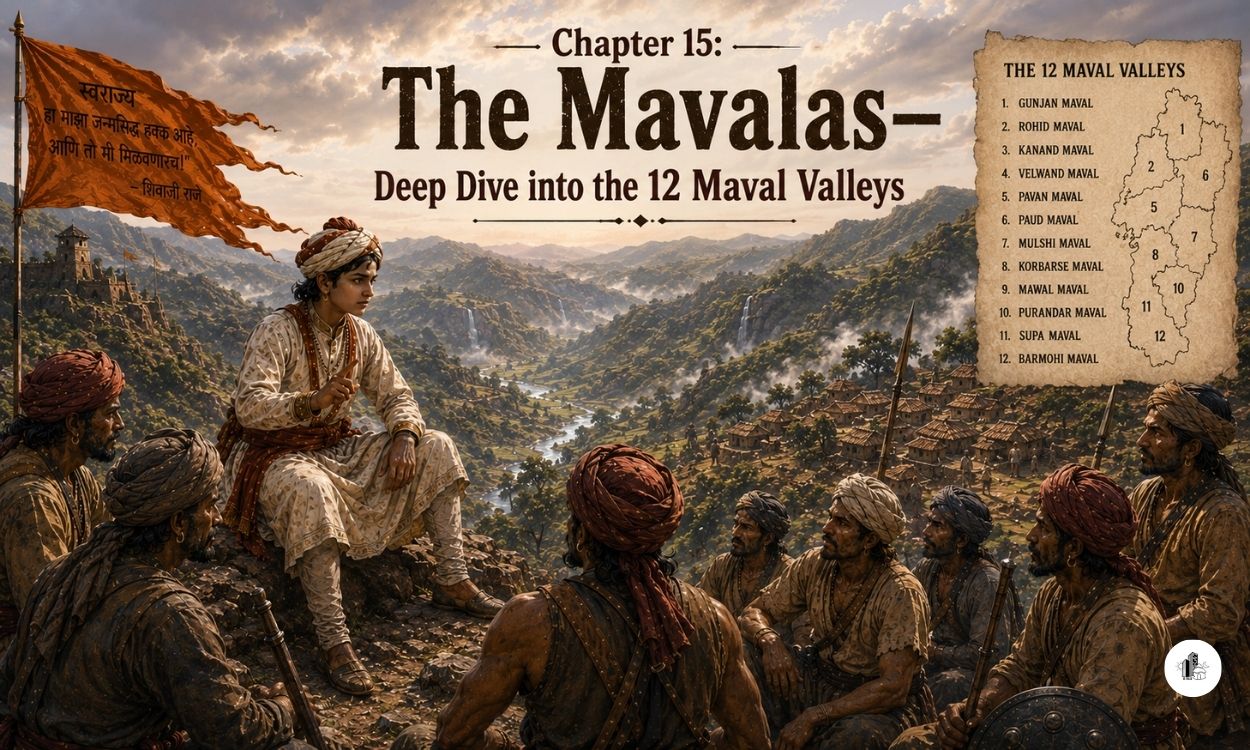
The real muscle behind this technical operation came from the Mavali people. These were local hardy peasants and farmers from the valleys. They survived on a simple daily diet of Bhakri – a coarse millet flatbread – and raw onions.
| Mavali Military Factor | Technical Advantage | Real-World Result |
| Footwear Freedom | They marched barefoot or wore thin leather sandals. | They climbed vertical rock faces silently in total darkness. |
| Terrain Awareness | Every soldier knew the hidden animal paths up the cliffs. | They bypassed the main roads watched by imperial spies. |
| Guerrilla Mindset | They used speed and camouflage instead of heavy armor. | They occupied the battlements before locals realized what happened. |
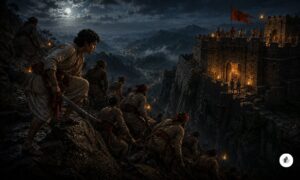
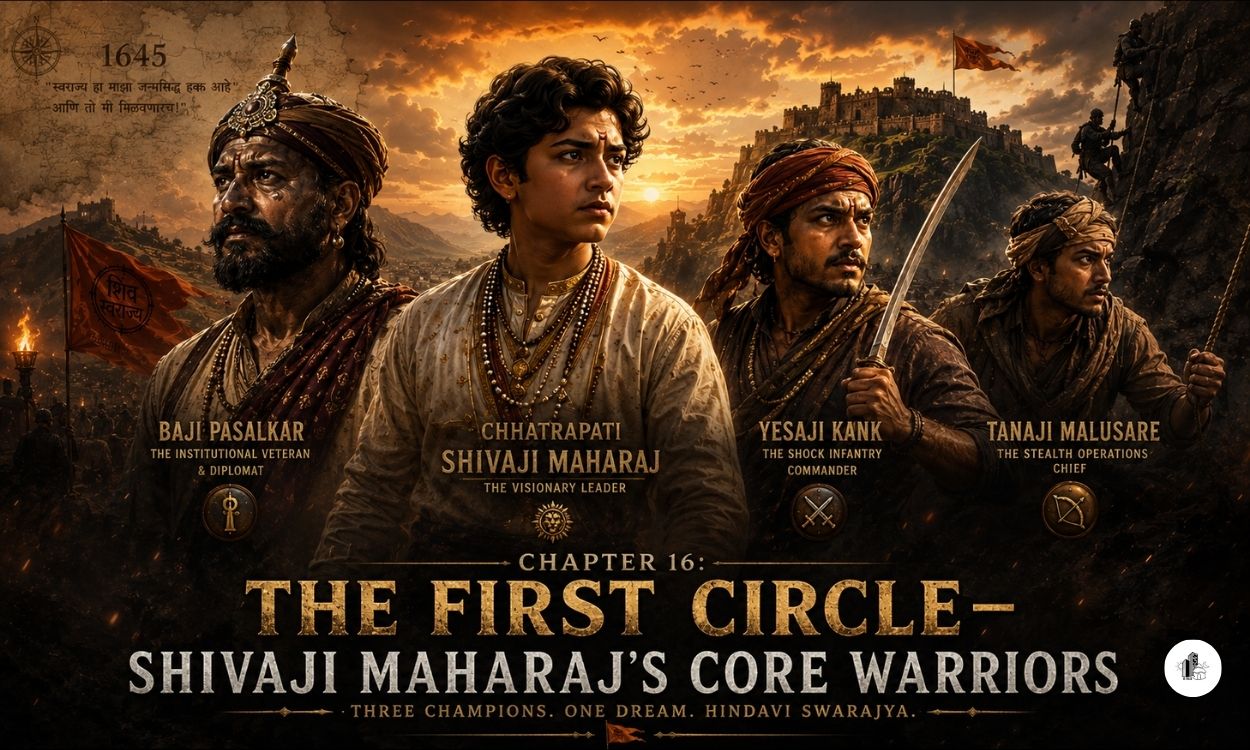
Chhatrapati Shivaji Maharaj recruited key local leaders like Tanaji Malusare and Baji Pasalkar. They gathered a few hundred Mavali youth. These men climbed the steep paths under the cover of night. They entered the open gates, replaced the guards, and raised Shivaji’s flag. The entire geopolitical map of the region changed in a few hours.
Loving this analysis? Let’s stay connected!
Join our WhatsApp & Telegram Channels: Get the latest movie alerts and box office updates directly on your phone. [WhatsApp] & [Telegram]
Follow us on X (Twitter): For quick threads, daily polls, and viral cinema news. [Click Here]
Join our Quora Space: Participate in deep discussions and share your own theories with fellow movie buffs. [Click Here]
Managing the Aftermath and Strategic Upgrades
You cannot keep a stolen fort hidden forever. Chhatrapati Shivaji Maharaj knew the Sultan would find out about the coup. He immediately institutionalized his control over the area.
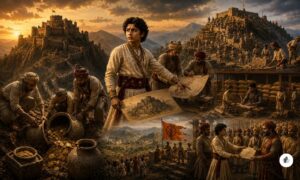
Shortly after the capture, workers digging on the fort discovered hidden jars of gold coins. A romantic storyteller would call this divine luck. A historian looks at the system. The previous governors had embezzled tax revenues and buried them inside the fort walls.
Finding buried treasure inside Torna provided the immediate capital needed to finance a permanent rebellion. Chhatrapati Shivaji Maharaj did not spend a single coin on personal luxury.
Building Rajgad Fort
Chhatrapati Shivaji Maharaj used every gram of that discovered gold to buy construction materials. He looked across the valley to the hill of Murumbdev. He used the Torna treasure to fortify that hill, creating Rajgad. This new fortress became the administrative capital of his growing kingdom for the next 26 years.
Chhatrapati Shivaji Maharaj renamed Torna to Prachandagad, which translates to the Massive Fort. He reorganized the local grain storage systems, He also forced the regional Deshmukhs to sign new loyalty pledges. Chhatrapati Shivaji Maharaj created a highly structured, localized government that answered directly to him, replacing the distant rule of Bijapur.
What Do You Think?
Do you think Shivaji’s bloodless takeover of Torna was a political gamble or a calculated masterclass in regional bureaucracy? How different would history look if the Adilshahi Sultanate had paid closer attention to their mountain borders?





Leave a Reply