

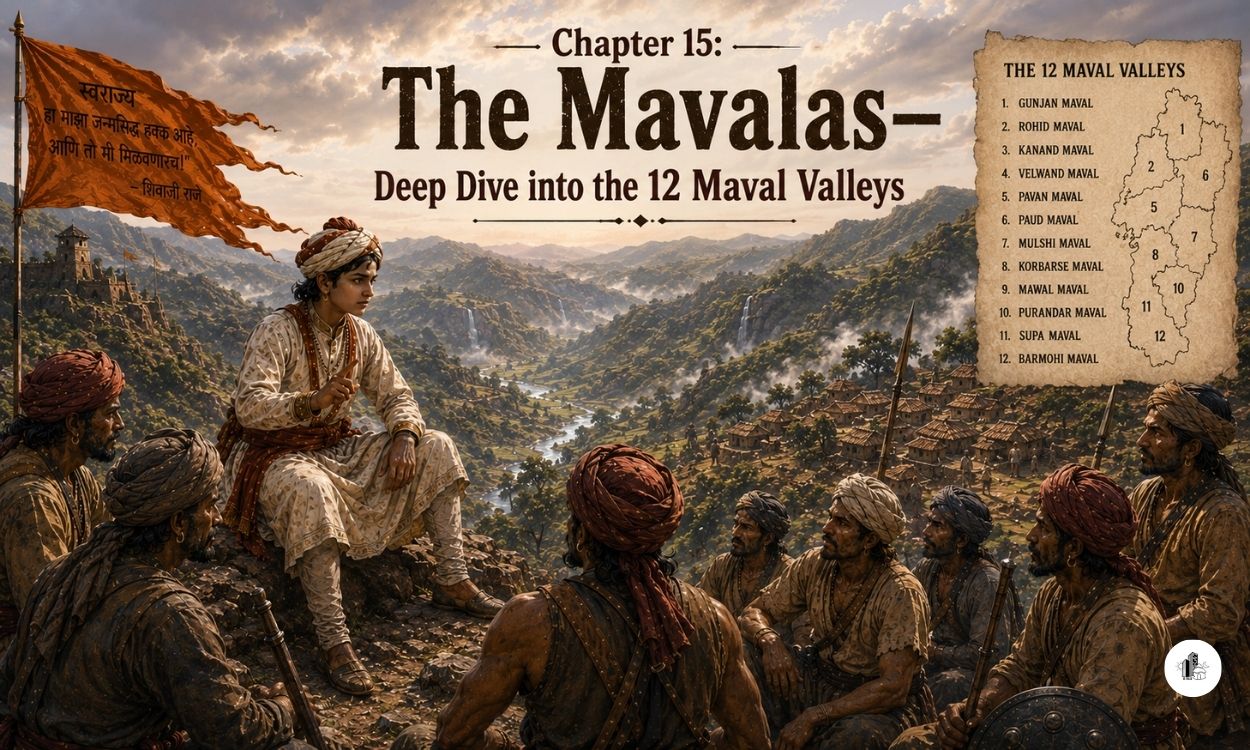
The Swarajya Chronicles: Book 2, Chapter 15
Current Focus: The Boy and the Vow (1630–1647)
Progress: 15 / 100 Chapters Completed….
By the mid-1640s, the military elite of Delhi and Bijapur looked at warfare through a single, expensive lens. To the grand generals ruling from glittering palaces, power meant massive cavalry lines, heavily armored elephants, and lumbering brass cannons that required flat plains to operate. When they looked west toward the jagged, mist-covered ravines of Pune, they saw nothing but a worthless wilderness. They completely dismissed the people living in those isolated mountain pockets – the Mavalas. To the wealthy nobility, these valley dwellers were merely poor, illiterate hill farmers, shepherds, and woodcutters.
They failed to realize that a landscape of pure survival creates a population of pure steel. While the sultanates ignored them, a teenage Chhatrapati Shivaji Maharaj walked into the valleys on foot. This chapter uncovers the rugged socio-military landscape of the 12 Maval valleys, demonstrating how the Swarajya blueprint systematically transformed simple hill men into the most lethal asymmetric infantry force of the 17th century.
The Geography of the 12 Mavals: A Natural Military Bootcamp
To understand the unique physical nature of the Maratha light infantry, you must map the brutal terrain that forced itself onto their daily lives. The word Maval derived its name from the regional term for the setting sun, tracking a long, highly broken strip of land running down the western face of the Sahyadri mountain range.
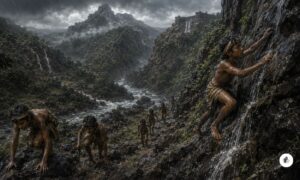
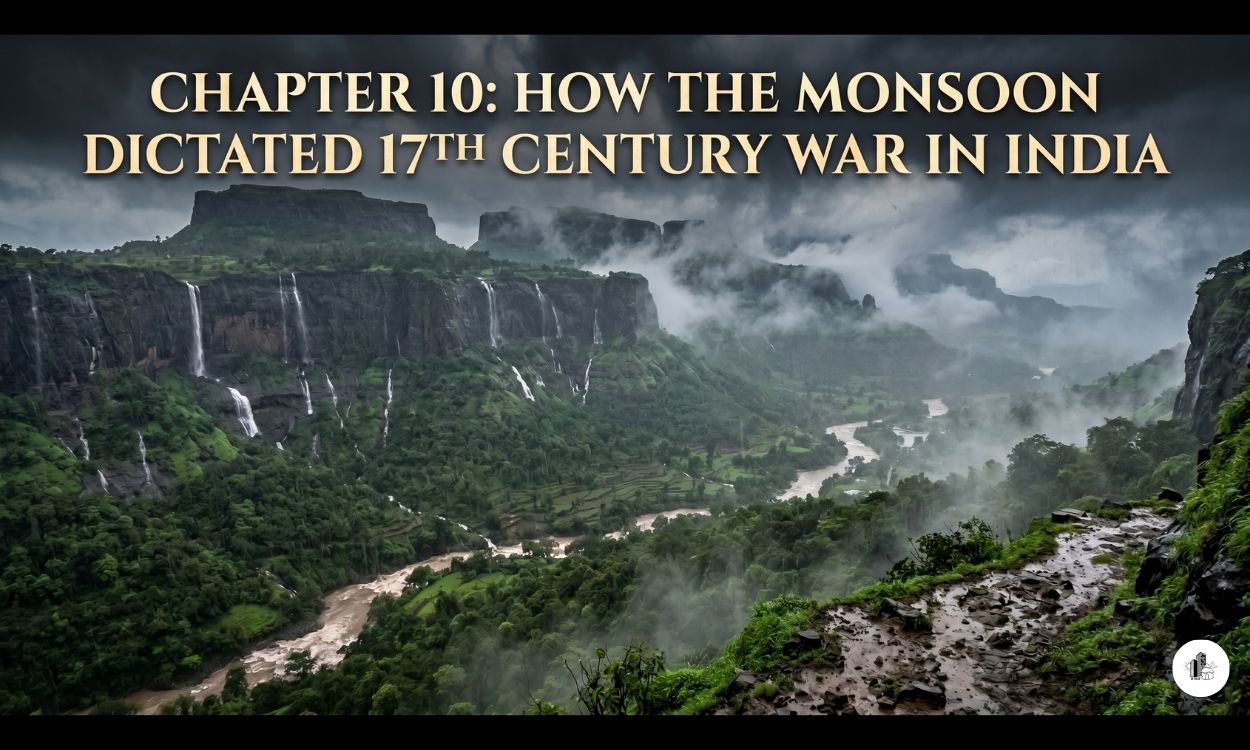
This frontier was carved into twelve distinct, isolated valleys – including Gunjan Maval, Rohid Maval, Kanand Maval, and Velwand Maval. Each pocket was sliced open by fast-flowing, unpredictable mountain rivers and separated by vertical basalt ridges. During the relentless Deccan monsoons, these valleys transformed into watery traps, cut off from civilization by blinding sheets of rain and roaring torrents.
Growing up here was a daily exercise in absolute endurance. From early childhood, a Mavala boy learned to navigate slippery, wet mountain tracks barefoot, scale vertical cliffs without ropes, and hunt through dense, subtropical jungles. The treacherous terrain acted as an unpaid, unyielding drill sergeant, forging a population with unmatched cardiovascular stamina and natural agility.
“Wait, have you read this yet?”
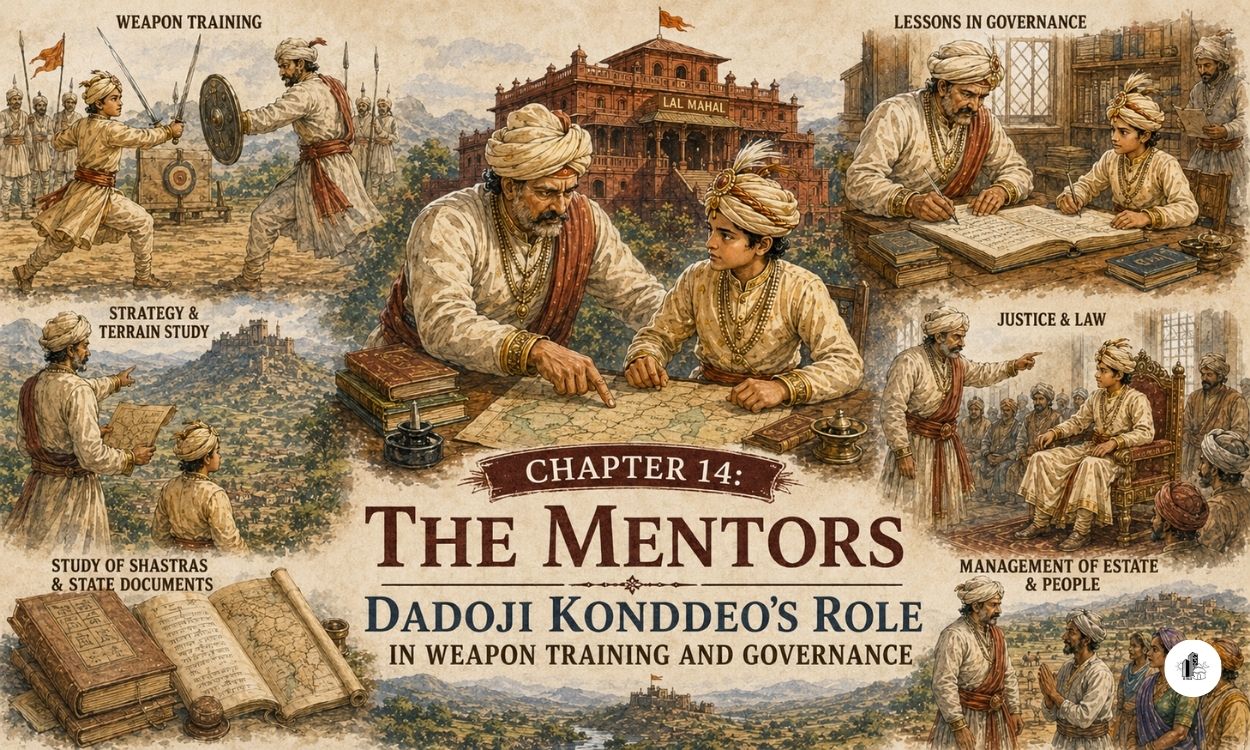
Chapter 14: Chhatrapati Shivaji Maharaj’s Mentor- Dadoji Konddeo
The Social Fabric: Warring Clans and Fractured Loyalties
Before Chhatrapati Shivaji Maharaj centralized authority in the region, the immense human potential of the 12 Maval valleys was entirely consumed by internal friction. The historical records of local judicial cases, the Mahazars, reveal a dark picture of a broken society. The people were deeply divided into regional clans, trapped in bloody, multi-generational blood feuds.
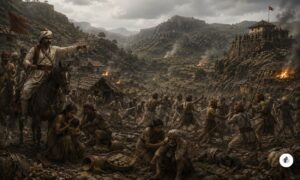
Local chieftains and landlords, known as Deshmukhs or Jedhes, ruled their individual valleys like petty autocrats. They spent their lifetimes launching violent raids against neighboring valleys over minor boundary disputes or ancestral titles, frequently acting as cheap mercenary assets for the Adilshahi Sultanate.
Because of these endless internal proxy wars, the common peasant lived in perpetual terror. Their fields were routinely torched, their cattle stolen, and their youth wiped out in meaningless border skirmishes. The valleys possessed a massive concentration of hardened, natural shock-troops, but they entirely lacked a unifying ideology or a leader they could actually trust.
The Radical Equality of the Valley Expeditions
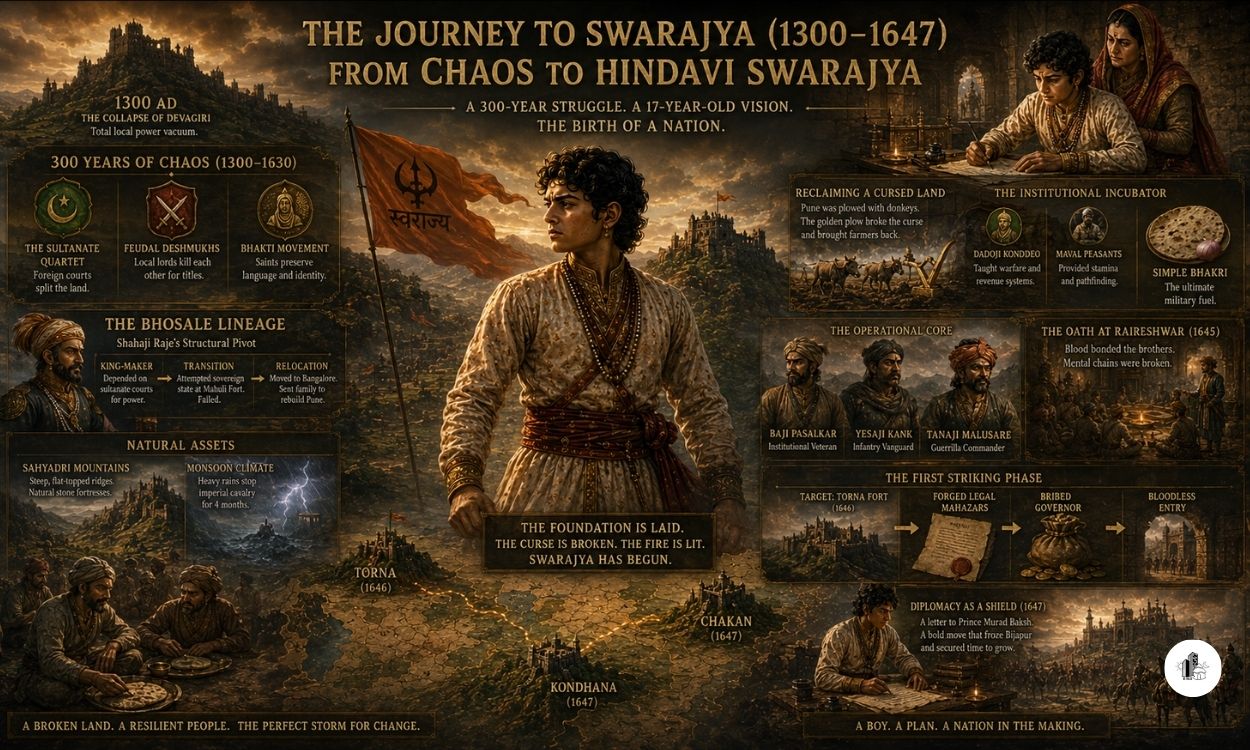
The transformation began when the young prince refused to act like a traditional, distant landlord. Shivaji Maharaj spent months traveling deep into these hidden ravines. He did not arrive with a grand, intimidating military convoy or demand heavy tribute. Instead, he walked the mountain tracks on foot, wearing the simple rough clothing of the hill men. He slept on the dirt floors of their mud huts, drank from their rocky streams, and ate their basic, coarse millet bread (Bhakri) with raw onions.
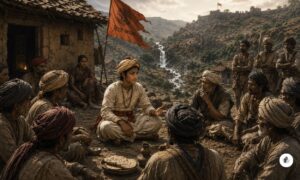
He sat with the valley elders and listened directly to their generational trauma. For the first time in memory, a member of the high nobility treated the valley dwellers with absolute, radical dignity.
He presented a stunning alternative: Hindavi Swarajya. This indigenous state protected their local customs. No foreign army could burn their crops here. Furthermore, courage judged a man’s worth, not his social standing.
He systematically arbitrated the ancient property feuds of the warring Deshmukhs. He maintained total financial honesty throughout the process. This fair judgment slowly turned twelve fractured, violent valleys into a unified brotherhood of steel.
Forging the Shadow Infantry: Asymmetric Tactical Design
With no budget to maintain a conventional army, Chhatrapati Shivaji Maharaj took the unique survival skills of the Mavalas and formalized them into a highly disciplined doctrine of asymmetric warfare (Ganimi Kava).
He bypassed expensive, heavy armor entirely. A Mavala warrior went into battle carrying only a light, treated wicker shield, a razor-sharp Deccani sword, and a small canvas bag of roasted grain for sustenance. They required no bloated supply lines or luxury tents.
Because of this complete terrain compliance, these light infantry units achieved terrifying operational speed. They could march forty miles through a pitch-black, monsoon-soaked jungle in a single night, completely bypassing enemy scouts. They became masters of the surprise ambush – vanishing into the rocky cliffs the moment a heavy enemy formation turned to face them, only to reappear hours later at a narrow mountain pass (Ghat) to launch devastating rockslides onto the crowded enemy columns below.
Loving this analysis? Let’s stay connected!
Join our WhatsApp & Telegram Channels: Get the latest movie alerts and box office updates directly on your phone. [WhatsApp] & [Telegram]
Follow us on X (Twitter): For quick threads, daily polls, and viral cinema news. [Click Here]
Join our Quora Space: Participate in deep discussions and share your own theories with fellow movie buffs. [Click Here]
Technical Analysis: The Socio-Military Framework of Maval
The mobilization of the Maval valleys showcases a brilliant, modern understanding of strategic resource deployment and regional intelligence integration:
Terrain-Compliant Force Structuring: By choosing light infantry over traditional heavy cavalry, the Maratha command created a military force perfectly optimized to weaponize the natural bottlenecks and vertical choke points of the Sahyadris.
Decentralized Command Hierarchy: The youth were organized into tight, regional units led by trusted local officers named Naiks, Hawaldars, and Jumledars, creating an agile command chain that could mobilize thousands of men within a few hours.
Indigenous Intelligence Networks: Because the Mavalas knew every unmapped cave, hidden water hole, and secret pass in their respective valleys, they formed a living intelligence network that easily intercepted foreign spies while keeping Maratha movements entirely invisible.
Economic Defense Alignment: By linking military service directly to clear land titles, personal safety, and tax-free agricultural windows for their families, the administration ensured that every individual soldier had a deep, material stake in the survival of the state.
The First Circle of Steel
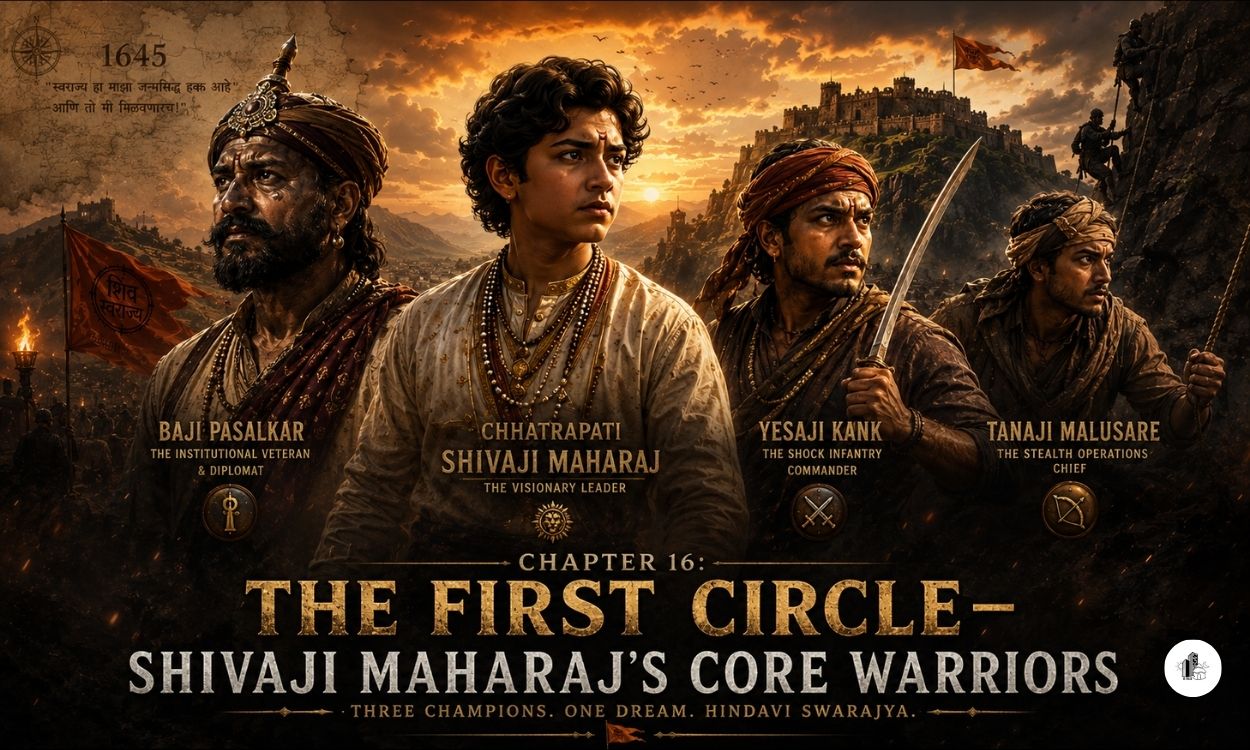
During these intense valley expeditions, the young prince identified his immortal inner circle. He met Yesaji Kank. Contemporary folklore claims this warrior possessed enough raw physical strength to match a war elephant. He bound himself to Tanaji Malusare, his childhood companion. Tanaji’s fierce, quiet tactical brilliance later turned impossible defeats into historic triumphs.
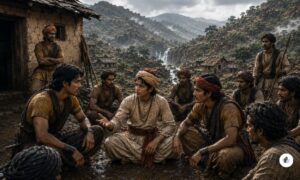
These men did not sell their swords to the highest bidder. They were true brothers-in-arms. Both viewed Chhatrapati Shivaji Maharaj as their own blood. They watched him face the same mud, rain, and danger. In return, they gave him an unyielding devotion. No imperial treasury could ever buy such loyalty.
The young prince quickly organized, weaponized, and inspired the simple farmers. These men no longer hid in terror from passing sultanate armies. Instead, they stood highly confident. They forged the 12 Maval valleys into the unshakeable bedrock of a rising empire.
What Do You Think?
If you were an imperial general commanding a massive army of 50,000 professional, heavily armored soldiers, how would you counter a shadow army of Mavalas who could disappear into the mountains within seconds? Does a leader’s willingness to eat the simple food and share the hardships of their people remain the ultimate way to build absolute trust in modern organizations today? Share your thoughts in the comments below!





Leave a Reply