
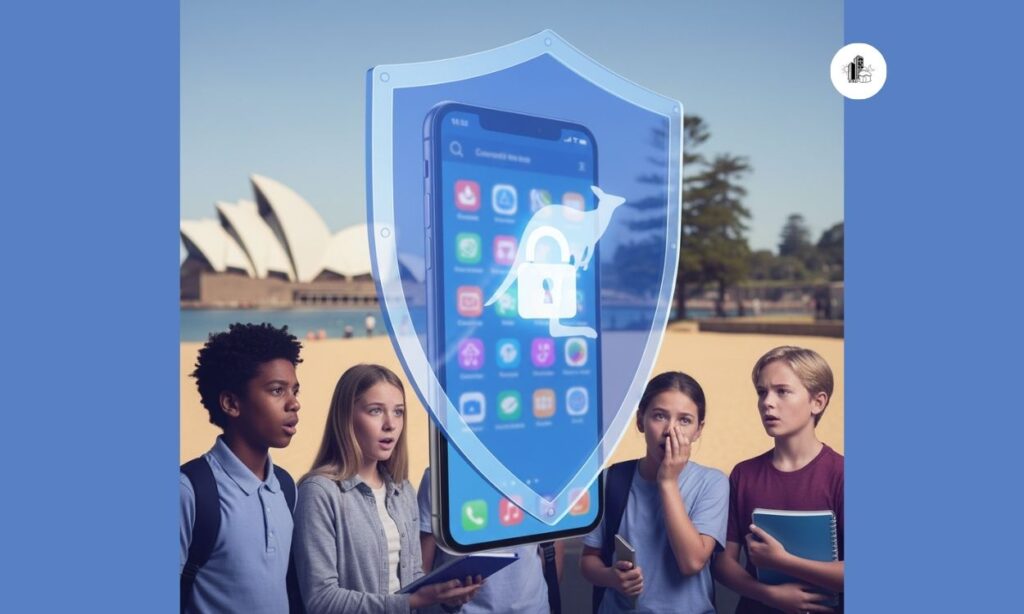
Australia’s Bold Step: No More Social Media for Kids Under 16
Welcome to theustales.com.
Imagine waking up one morning and finding your favorite apps locked away. That’s what happened to millions of Australian teens today. Australia just became the first country to ban social media for anyone under 16. This big change aims to shield young minds from online dangers. Yet, it sparks debates about freedom and safety. Let’s dive into what this means for kids, parents, and the world.
The Ban Kicks In
Australia rolled out this ban on December 10. Platforms like Instagram, Facebook, Threads, X, Snapchat, Kick, Twitch, TikTok, Reddit, and YouTube must block under-16s. Companies face fines up to $33 million if they fail. For example, X complied at the last minute. It said, “It’s not our choice – it’s what the law requires.” They now offboard users who don’t meet age rules.
Moreover, the government targets harmful content. Prime Minister Anthony Albanese called it a proud day. He wants kids to enjoy childhood without screens. In a video, he urged them to try sports or read books during summer holidays.
You may Also Like:
Why Protect Young Users?
The law fights bullying, anxiety, and predators online. Albanese noted social media often turns into a weapon. It pushes peer pressure and scams too. Research shows it harms mental health, like body image issues and misinformation.
For instance, campaigner Mia Bannister shared her story. Her son Ollie died at 14 from online harms. She lists other kids like Tilly Rosewarne and Mac Holsworth. Bannister urges parents not to help kids bypass rules. She says tech firms use addictive algorithms.
However, critics worry about isolation. Vulnerable teens might lose support networks. Some say it pushes kids to unregulated apps.
Teens Share Their Feelings
Australian teens have mixed reactions. Lulu, 15, showed how the ban looks. Her old accounts shut down. But she made a new one to get around it. Tyson, 15, thinks peers will find ways. He says those targeted will dodge it first.
Sophia, 14, from Brisbane, got logged out suddenly. She felt strange at first. Yet, she sees positives like more face-to-face time. Amy, 13, from Victoria, follows strict home rules already. She calls the ban blunt. Instead, she wants education on digital safety.
Breanna, 15, from a remote farm, relies on apps for friends. She lives far away. Without Snapchat, communication drops. Annie, 14, fears for queer kids and those with niche interests. They find communities online. She worries mental health could worsen.
Overall, some feel insulted. Others say they’ll get over it quickly.
Parents Weigh In
Parents split on the issue. Kelly Halidone, a mom of two, calls the timing cruel. It hits during summer holidays and Christmas. She argues it removes kids’ voices. Social media lets them connect, learn, and create change.
On the other hand, supporters praise the move. They thank grieving parents who fought for it. The ban gives peace of mind. It shifts responsibility to platforms, not families.
For example, Communications Minister Anika Wells stressed this. Platforms must check ages routinely. They use data like school talks or photos.
How Platforms Enforce It
Companies use age checks. They guess ages from behavior or selfies. Some verify with IDs or bank details. But loopholes exist. Teens use VPNs to bypass blocks. Wells warns these won’t last. Platforms will close them over time.
Additionally, alternative apps spike in downloads. Lemon8, Yope, and Coverstar top the charts. Yet, regulators say the law covers all social media. Even these must comply.
X uses a multi-faceted approach. Meta started removing under-16s. YouTube and others follow suit. Reddit might challenge it in court. Digital rights groups push to reinstate teens.
A Global Experiment
Australia leads the way. Other countries watch closely. Malaysia plans a similar ban next year. Denmark, France, Greece, Romania, and New Zealand show interest. Even some US states consider it.
Experts like Tama Leaver call it a canary in the coal mine. Governments frustrate with slow tech responses. A Meta leak years ago showed harms they denied.
Albanese says success starts with the conversation. It’s not perfect. But it echoes past reforms like gun laws. eSafety Commissioner Julie Inman Grant trusts tech can meet obligations. She’ll assess compliance soon.
Challenges and the Road Ahead
Enforceability raises questions. Kids might trick systems. Or move to darker internet spots. Albanese admits flaws. Yet, he celebrates the shift.
Success? It’s in starting the change. Conversations grow. Families reclaim power from big tech.
In Sydney, the launch felt festive. At Kirribilli House, they held a sausage sizzle. Albanese flipped sausages. It promoted outdoor life over screens.
A young advocate, Florence Brodribb, 12, spoke up. She said algorithms shape young brains wrongly. Kids deserve real connections.
Teens flood Albanese’s TikTok with memes. They gloat about dodging the ban. But authorities promise ongoing checks.
This ban tests boundaries. It balances protection with inclusion. As apps evolve, so will the list. Young users might switch platforms.
Australia’s move sparks hope and concern. It pushes for safer online spaces. Yet, it questions teen agency.
FAQs
What platforms does the ban affect?
It covers Instagram, Facebook, Threads, X, Snapchat, Kick, Twitch, TikTok, Reddit, and YouTube. Others like Roblox and WhatsApp are exempt for now.
How do companies check ages?
They use AI for behavior guesses, selfies, IDs, or bank details. They must routinely verify under-16 accounts.
What if teens bypass the ban?
Authorities say loopholes like VPNs won’t last. Platforms will close them. Parents should not help kids around rules.
Why did Australia ban social media for under-16s?
To protect from bullying, anxiety, predators, and addictive content. It aims to let kids have real childhoods.
Will other countries follow?
Yes, Malaysia plans one next year. Denmark, France, and others show interest. It’s a global test case.
Is the ban perfect?
No, officials admit flaws. Teens might find ways around. But it starts important talks on online safety.