

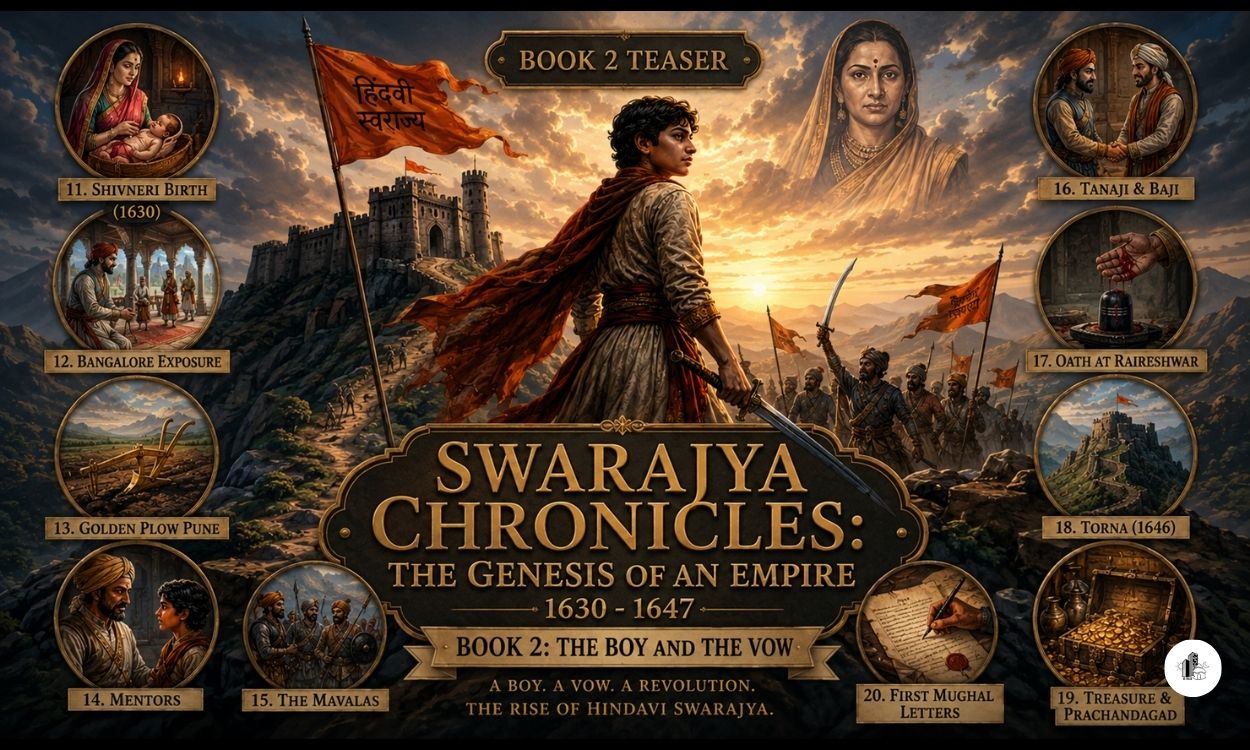
If you think you know the story of a king, wait until you meet the boy. Imagine a teenager standing in a dark, cold temple. He is not there to ask for wealth or long life. Instead, he cuts his own finger and lets the blood fall on a stone. He makes a promise that will shake the world’s most powerful empires. This was not just a childhood game. This was the start of Hindavi Swarajya.
In Book 1, we saw the foundation—the family, the mountains, and the strategy. Now, in Book 2, the action begins. We follow Chhatrapati Shivaji Maharaj from his first breath at Shivneri to his first strike at Torna. This is the story of how a boy became a leader and how a small group of friends changed history forever.
The Legend Begins: 19th February 1630
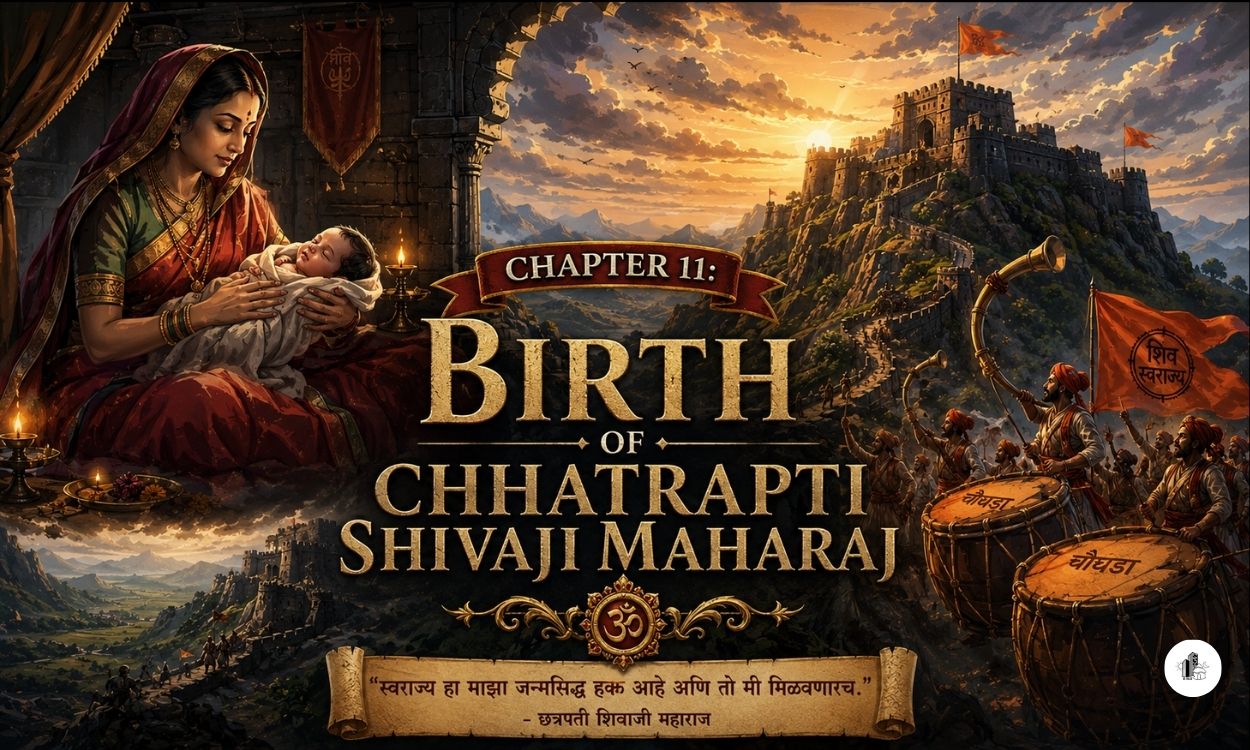
The world was loud and dangerous in 1630. Foreign sultanates were fighting for every inch of the Deccan. High up on the cliffs of Fort Shivneri, a woman named Maa Jijau waited. The air was thick with hope and prayer. When the drums finally rolled, a future was born.
The birth of Chhatrapati Shivaji Maharaj was more than a family event. It was a signal that the wait for freedom was ending. Even as a baby, he was surrounded by the sound of swords and the sight of high walls. These early days shaped his spirit. He learned that safety was found only in strength and high altitudes.
“Wait, have you read this yet?“
The Swarajya Chronicles: Why We Are Rebuilding the Story of a King
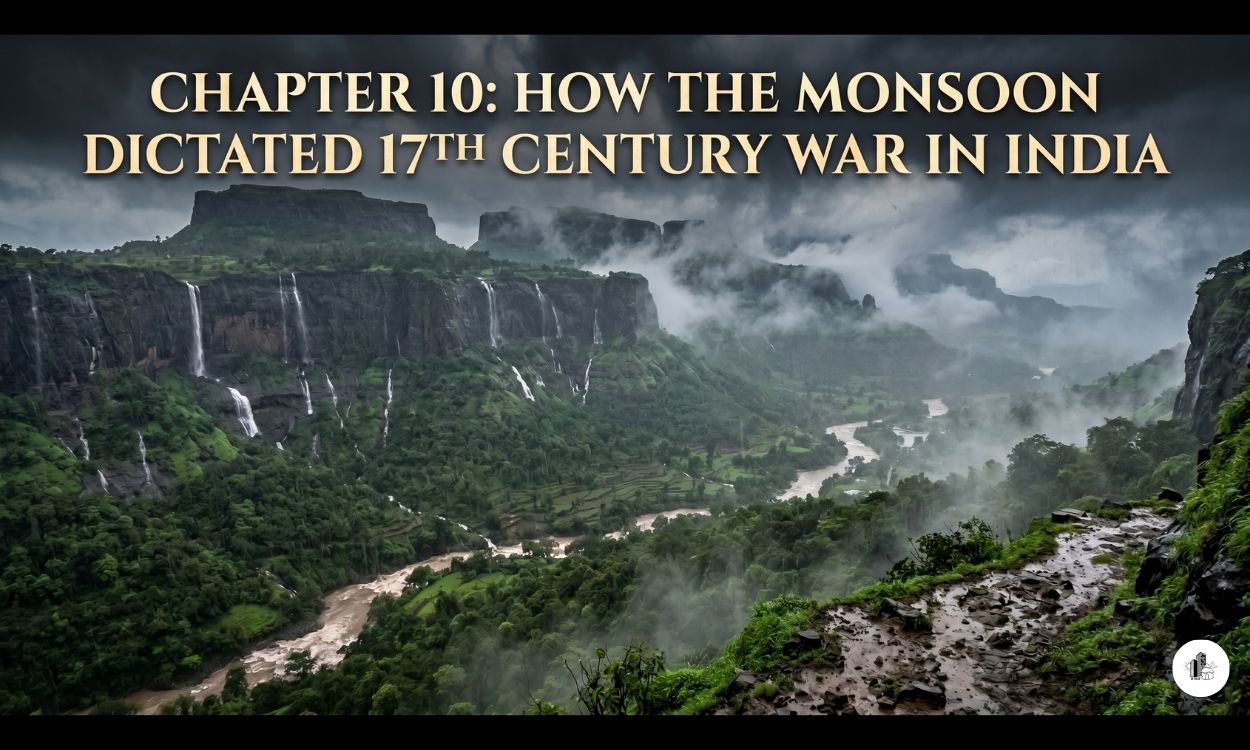
Chapter 10: How the Monsoon Dictated 17th Century War in India
Learning the World: From Bangalore to Pune
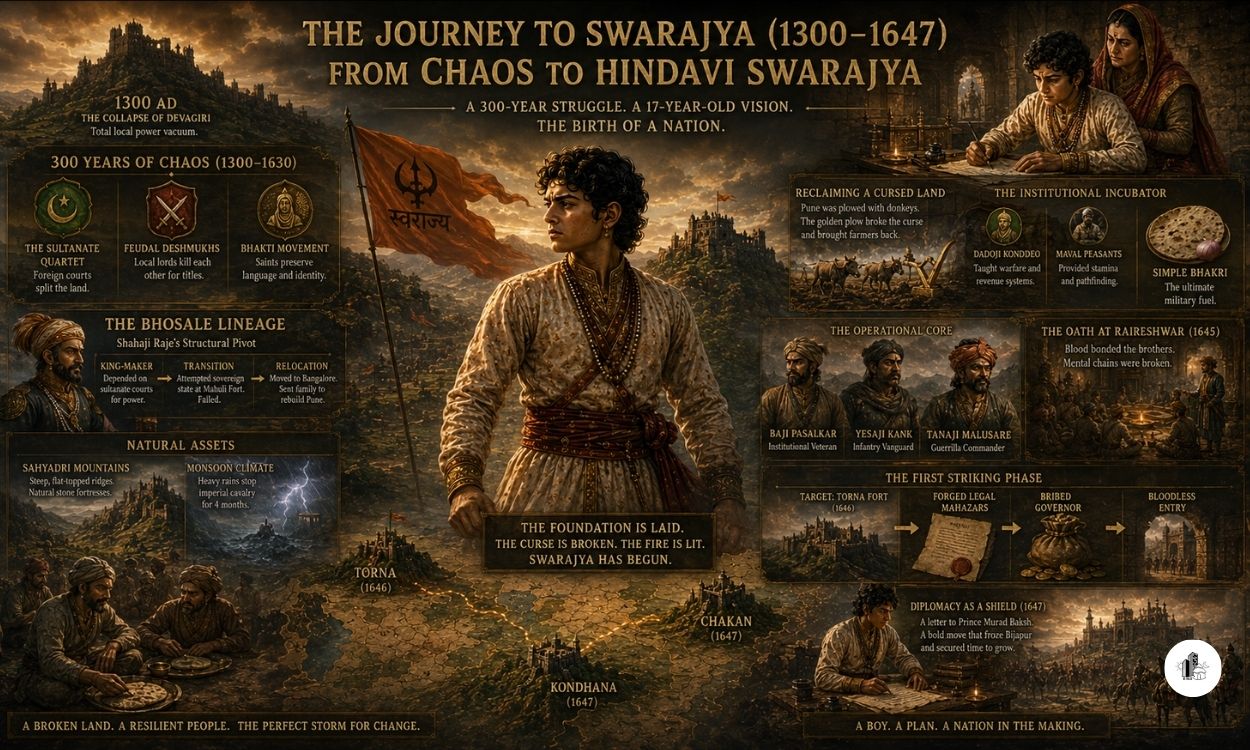
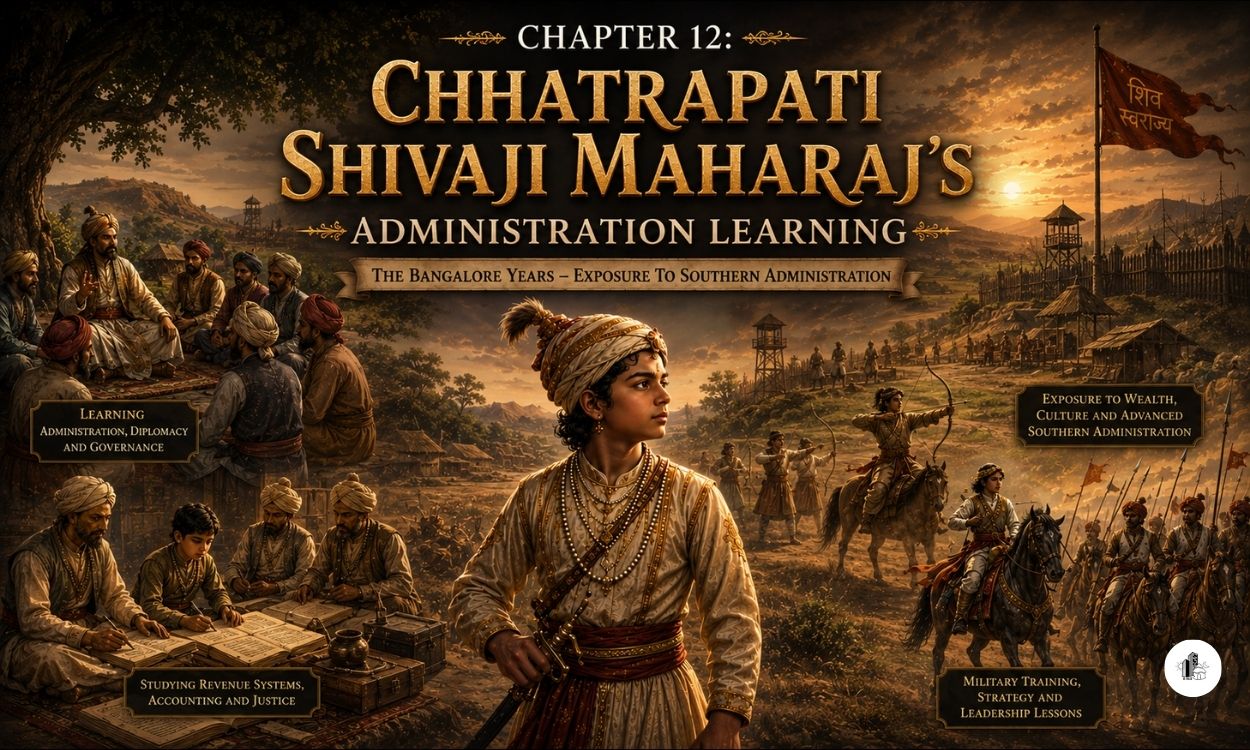
Many people forget that Chhatrapati Shivaji Maharaj spent important years in Bangalore. His father, Shahaji Raje, was a major power in the South. In the grand courts of the Adilshahi, the young prince watched everything. He saw how kings handled money, spies, and huge armies. This was his first real exposure to high-level administration.
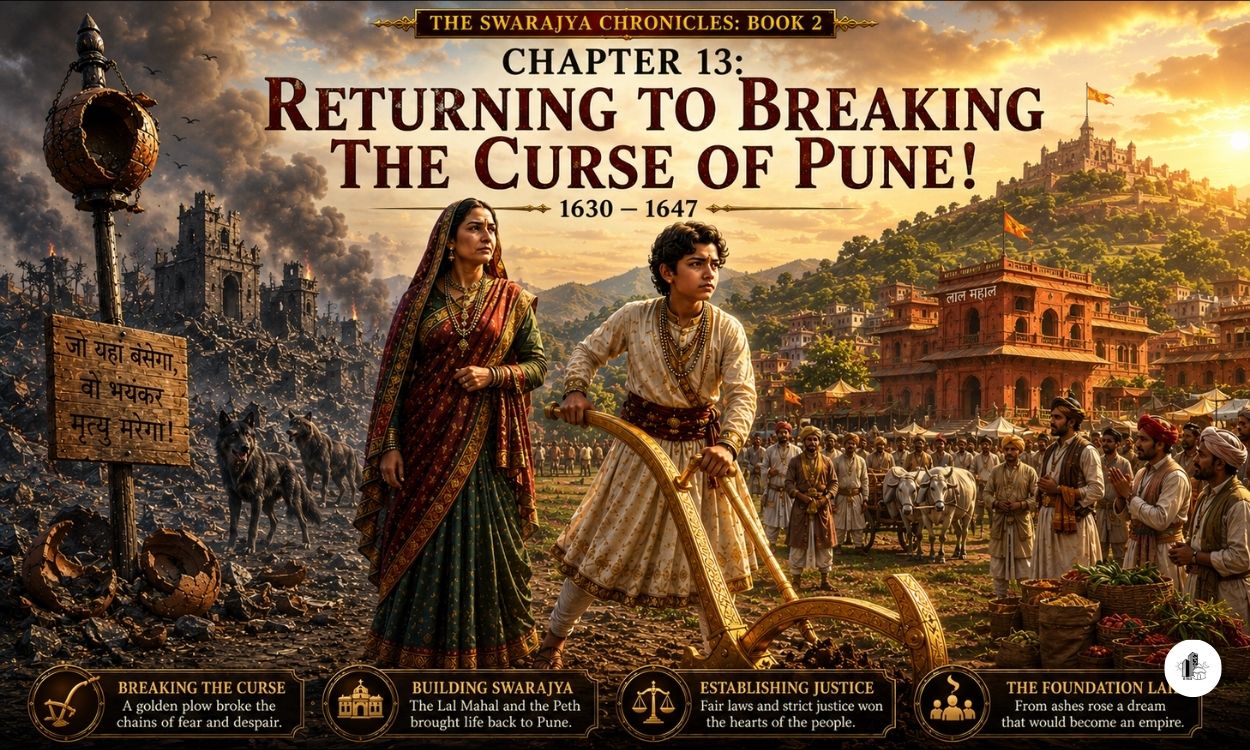
However, his heart was in the rugged hills of Maharashtra. When he returned to Pune with Maa Jijau, he found a ghost town. People were afraid of a “curse” left by the enemy. But a leader does not fear stories. With the famous Golden Plow, he turned the soil. He showed the people that the land was theirs again. This act was the first step in his Swarajya blueprint.
The Mentors and the Mavalas
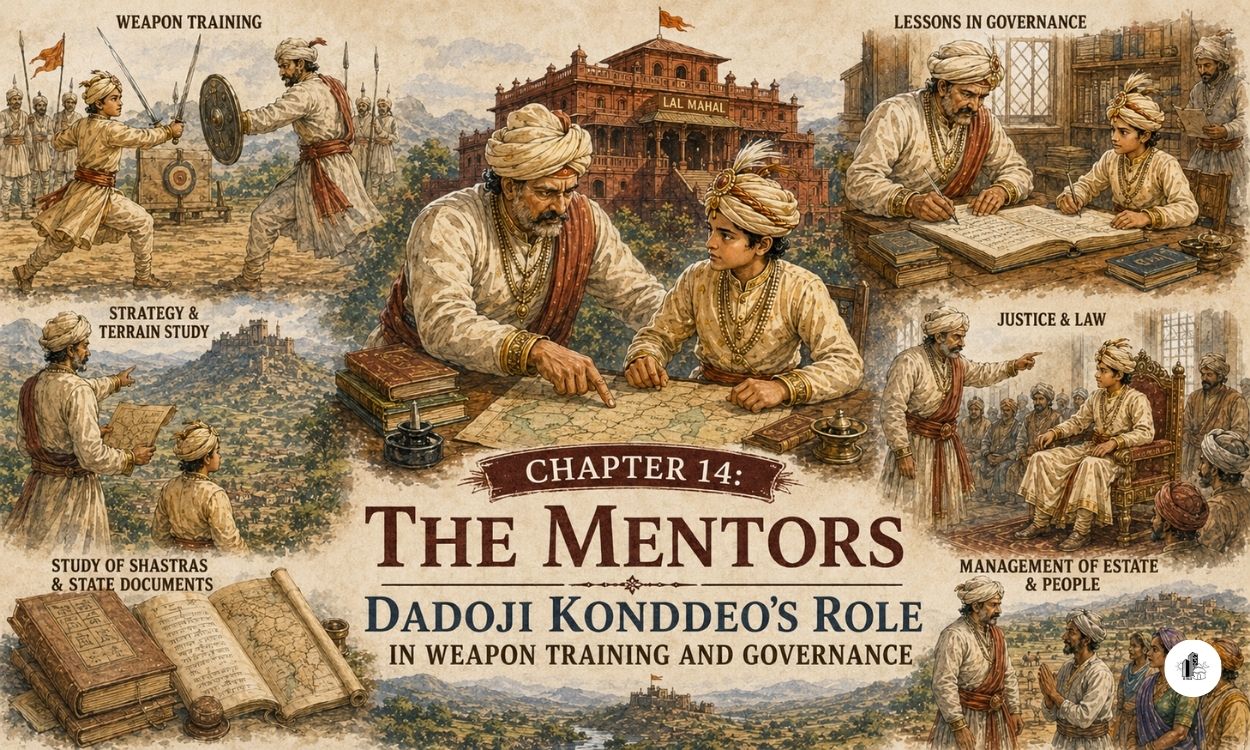
No leader grows alone. While Maa Jijau shaped his mind, Dadoji Konddeo shaped his hands. Under his watchful eye, Shivaji Maharaj mastered the horse and the sword. He learned the technical side of managing a jagir (estate). He learned how to deliver justice to the poor.
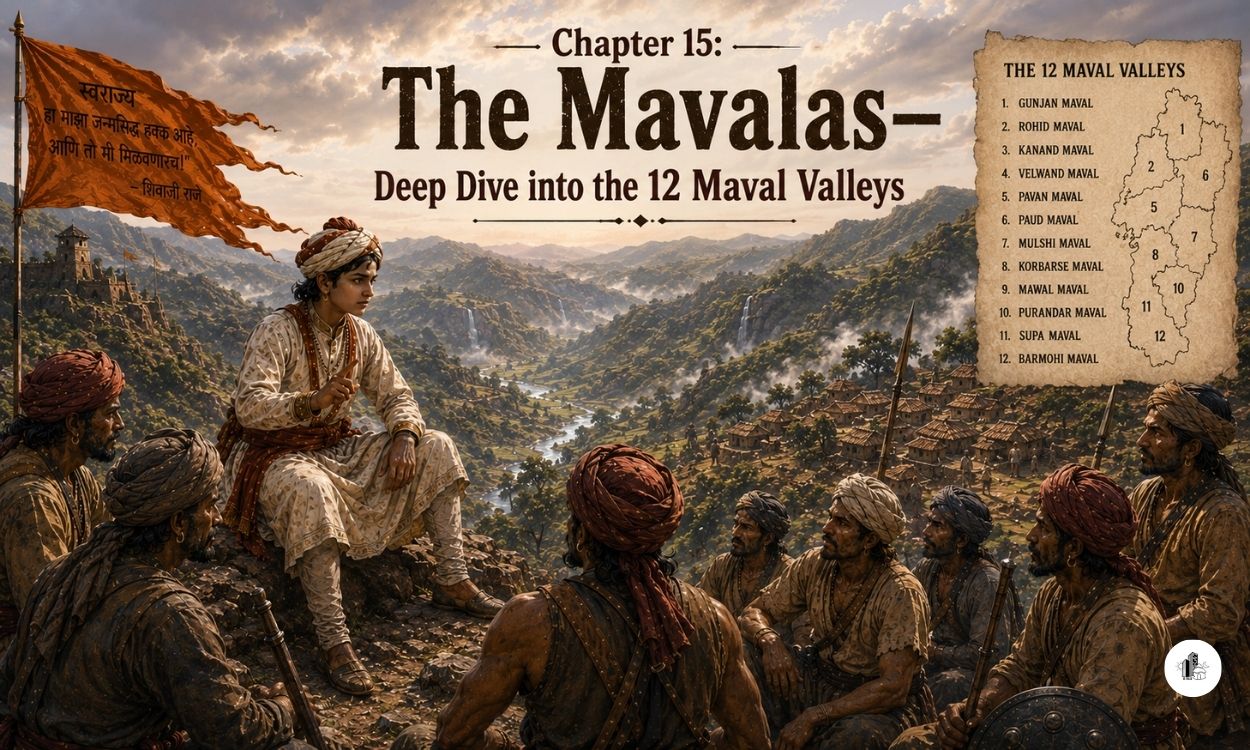
But his greatest teachers were the people of the 12 Maval valleys. These were the Mavalas. They were simple farmers and shepherds. They were tough, loyal, and fast. Chhatrapati Shivaji Maharaj did not treat them like servants. He treated them like brothers, walked their paths and ate their simple food, realized that these men were the secret to defeating giant empires.
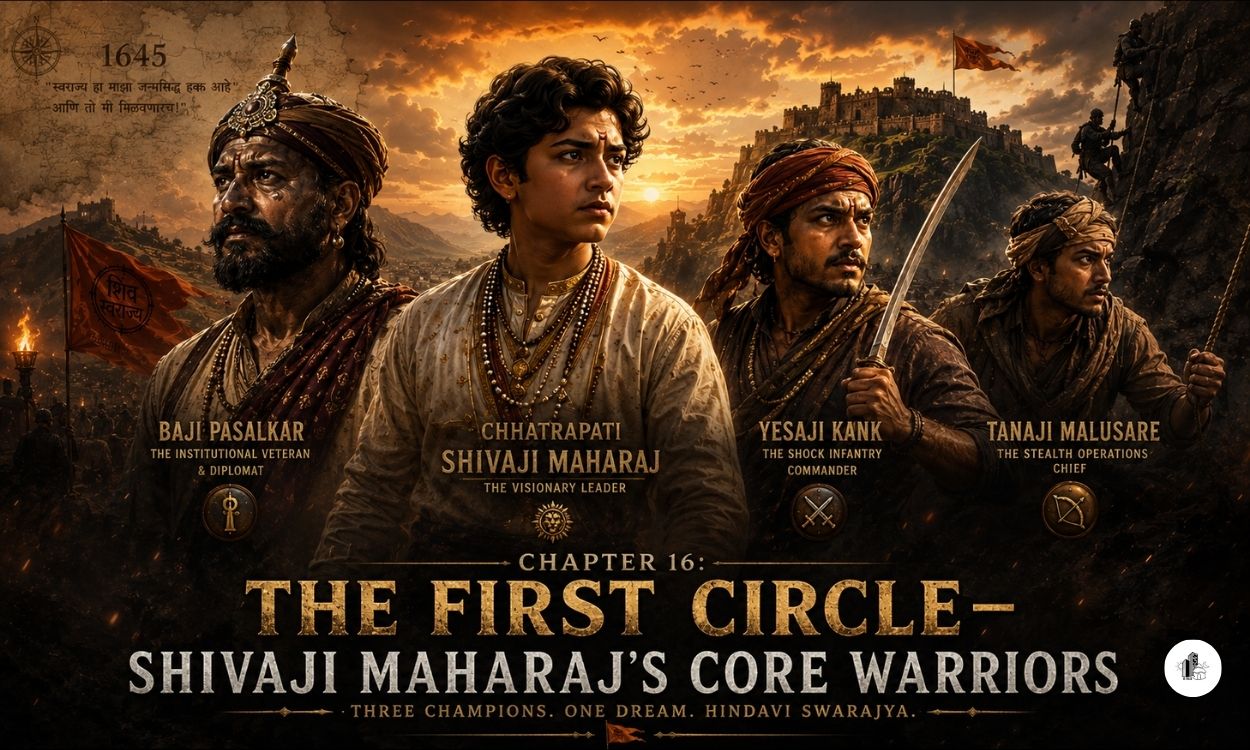
The First Circle: Friends Who Became Legends
Behind every great man is a circle of steel. In these years, Chhatrapati Shivaji Maharaj found his soulmates in war. There was Tanaji Malusare, a man of incredible courage. There was Yesaji Kank, whose strength was legendary. And there was Baji Pasalkar, the elder warrior who guided them.
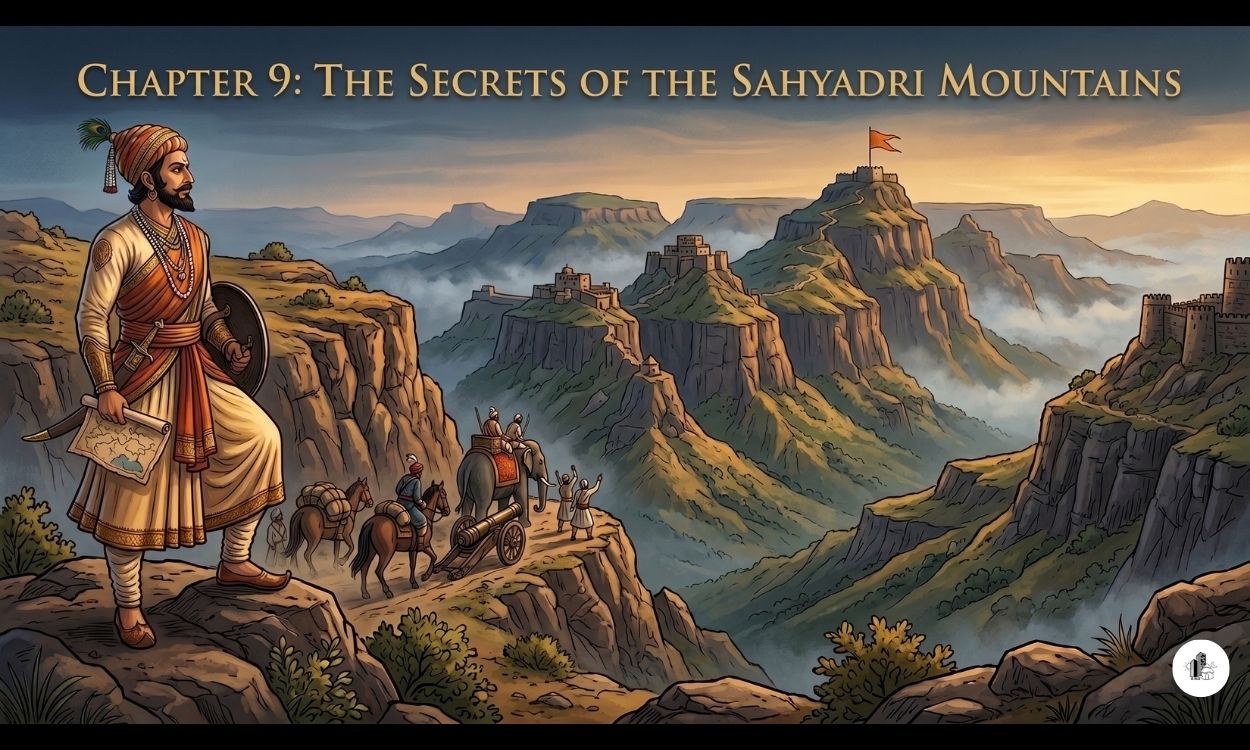
These young men did not talk about small things. They talked about a land where they could live with dignity, spent their days exploring every hidden cave and secret path of the Sahyadris. They were not just friends; they were an army in the making, they were preparing for a geopolitical shift that no one saw coming.
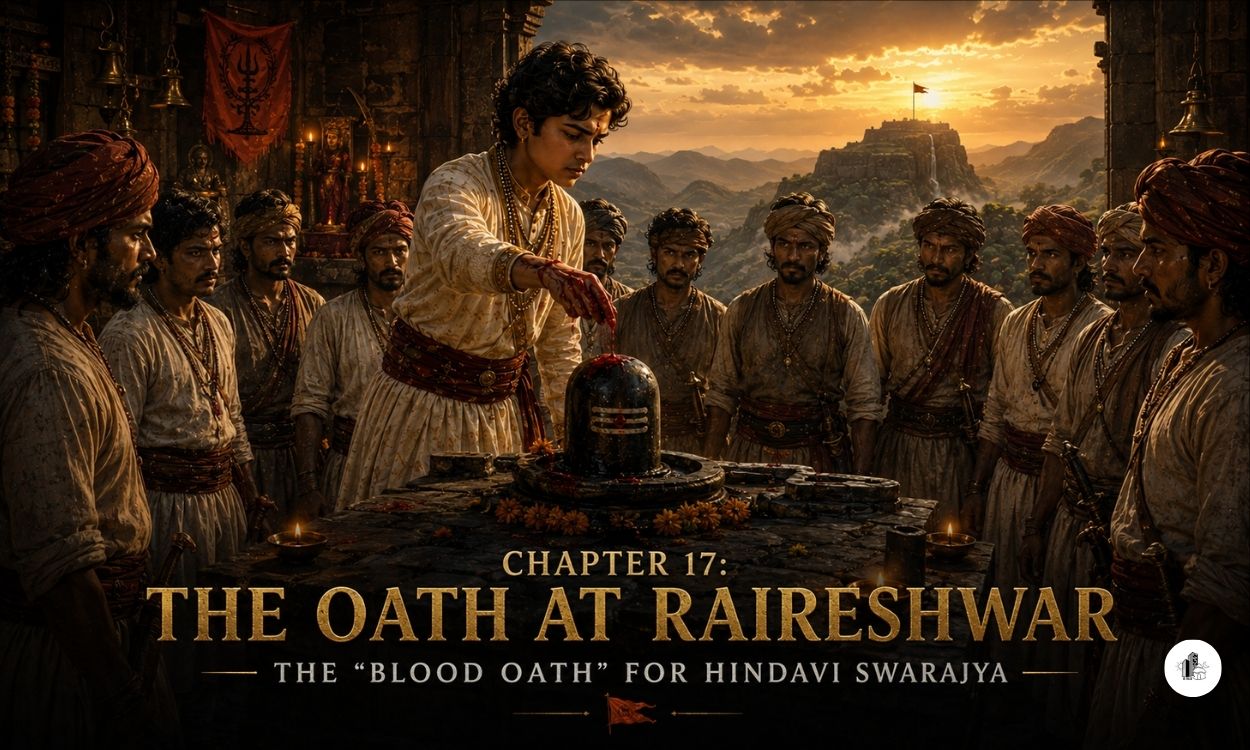
The Blood Oath at Raireshwar
In 1645, the dream became a formal vow. In the quiet temple of Raireshwar, Chhatrapati Shivaji Maharaj and his friends gathered. They were still very young, but their hearts were heavy with purpose, cut their fingers and performed a “blood oath” before the deity.
They promised to establish Hindavi Swarajya—self-rule for the people. This was a dangerous act of treason against the Sultanates. If they were caught, they would face death. But they were no longer afraid. This vow turned a group of rebels into a holy movement. They were ready to fight for a cause bigger than their lives.
Torna 1646: The First Strike
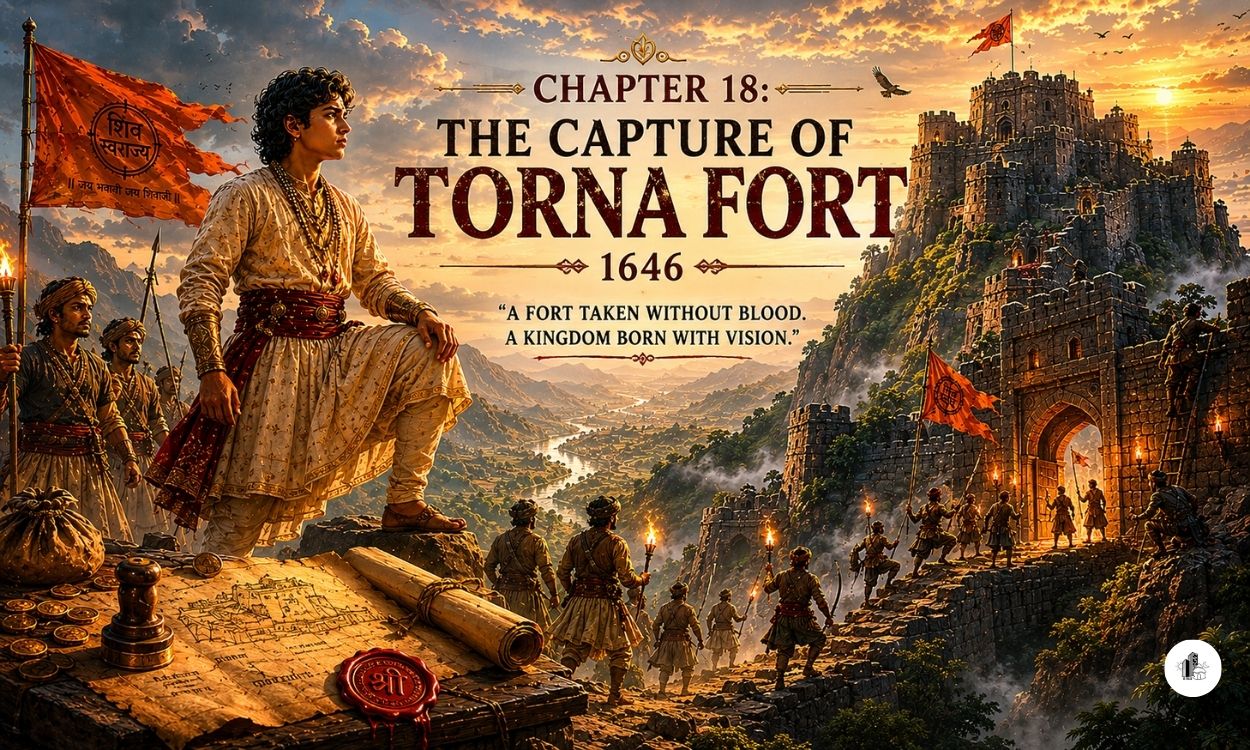
Every plan needs a test. For Chhatrapati Shivaji Maharaj, that test was Fort Torna. It was a massive, eagle-nest fort. At just 16 years old, he led his Mavalas up the steep cliffs. They captured the fort without a massive bloodbath. It was a masterpiece of surprise and speed.
When he stepped onto the top of Torna, the world changed. He found a hidden treasure during the repairs, which he used to build more defenses. He renamed the fort Prachandagad. This victory sent a shockwave through the Deccan. A boy had captured a fort, and the empires finally started to pay attention.
Loving this analysis? Let’s stay connected!
Join our WhatsApp & Telegram Channels: Get the latest movie alerts and box office updates directly on your phone. [WhatsApp] & [Telegram]
Follow us on X (Twitter): For quick threads, daily polls, and viral cinema news. [Click Here]
Join our Quora Space: Participate in deep discussions and share your own theories with fellow movie buffs. [Click Here]
Strategic Analysis: The Architecture of a Rebel Movement
Why did these early years succeed where others failed? It was because of a calculated strategy.
Social Integration: By winning the hearts of the Mavalas, he gained a local intelligence network that the Mughals could never buy.
Symbolic Leadership: The Golden Plow and the Blood Oath created a powerful story. People don’t fight for taxes; they fight for a vision.
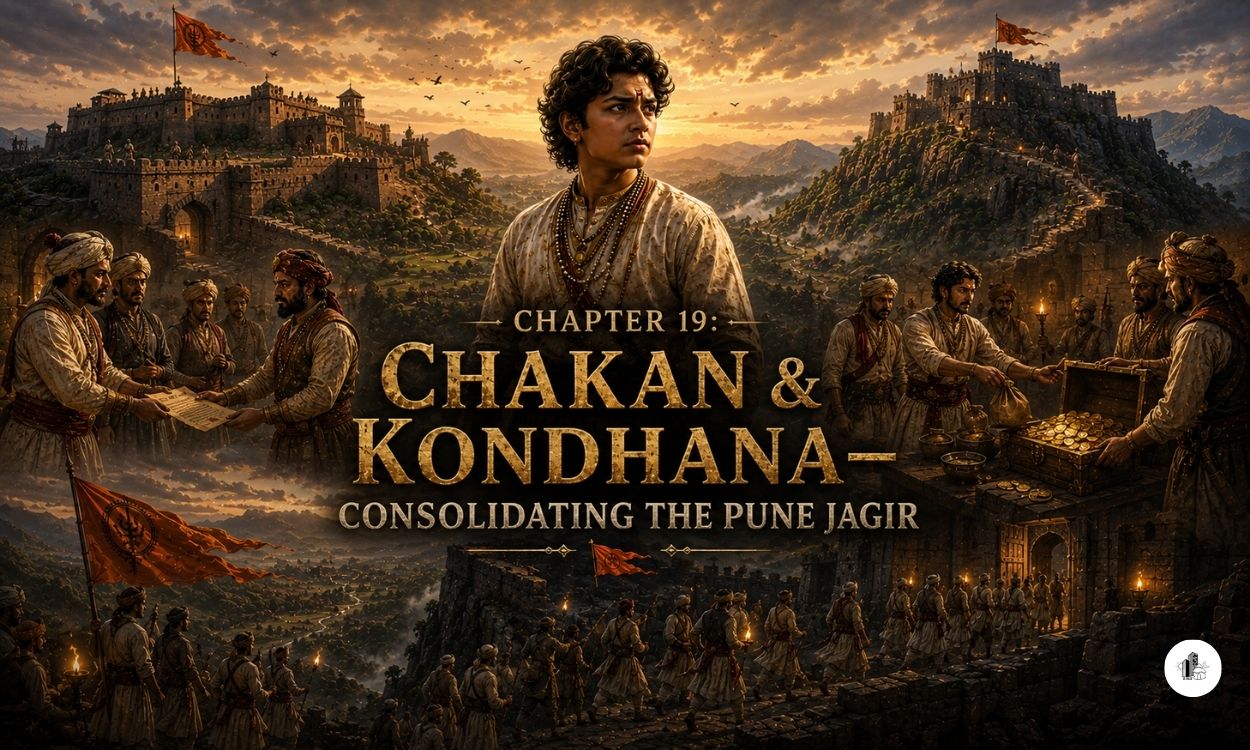
Low-Risk, High-Reward Strikes: Capturing Torna and Kondhana allowed him to build a base without starting a full-scale war too early.
Administrative Honesty: He cleaned up the Pune jagir. He punished criminals and protected farmers. This made the common man his biggest supporter.
This wasn’t just a “rebellion.” It was a highly organized asymmetric warfare strategy. He was building the “bones” of an empire before he ever wore a crown.
What Do You Think?
Do you believe a 16-year-old could capture a massive fort today? What was more important – the training of Dadoji Konddeo or the stories of Maa Jijau? If you were one of the Mavalas, would you have followed a young boy on a dangerous mission?




Leave a Reply