

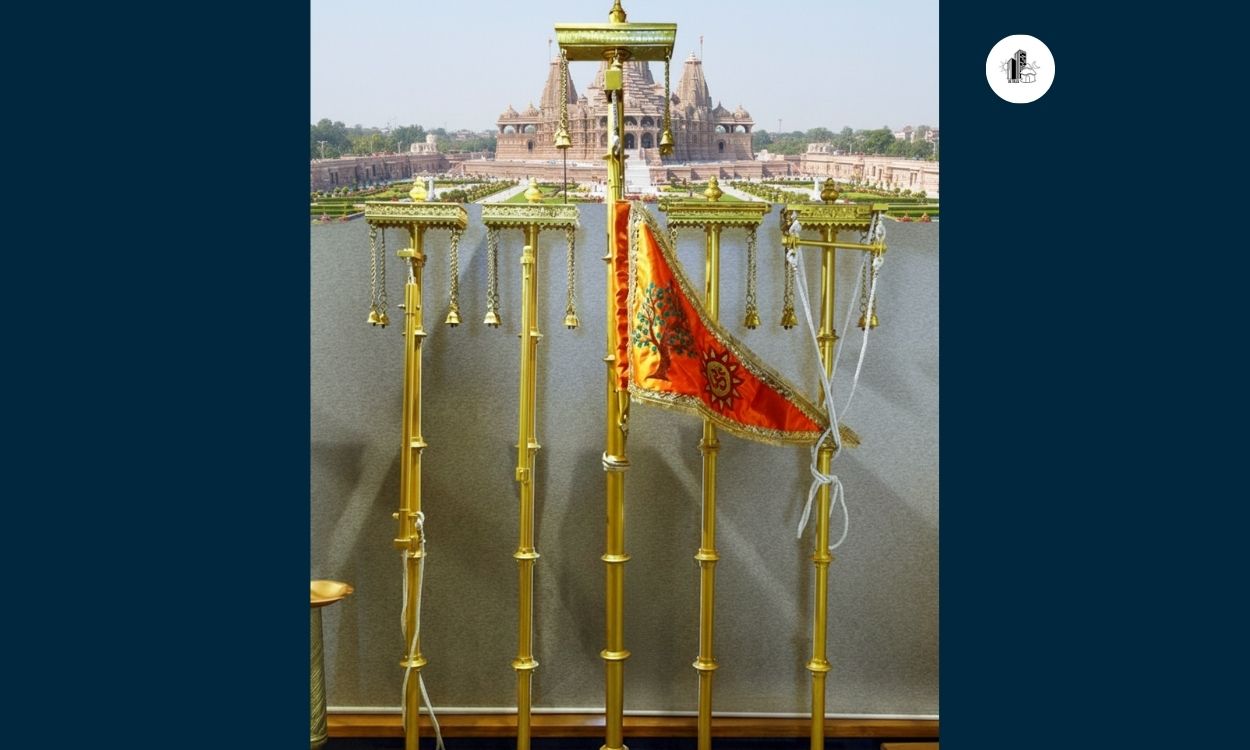
Ayodhya Ram Mandir Dhwajarohan: PM Modi Hoists Saffron Flag
Welcome to theustales.com.
On 25 November 2025, the sky above Ayodhya turned golden-saffron. Prime Minister Narendra Modi pressed a button, and a beautiful triangular flag rose slowly to the top of the Ram Mandir. Lakhs of people watching live felt tears in their eyes. After five long centuries of wait, struggle, and prayers, the grand Ram Temple finally declared – “I am complete.”
The Sacred Moment Everyone Waited For
The ceremony is called Dhwajarohan – the hoisting of the victory flag. For any temple, this is the final ritual. It tells the world: the building is finished, the gods have taken full residence, and the doors are now open forever.
PM Modi did not pull a rope. He simply pressed a golden button. An automatic system lifted the huge saffron flag up a 42-foot pole on the 161-foot shikhara (main spire). The flag is massive – 22 feet long and 11 feet wide – yet it danced lightly in the breeze.
You may Also Like:
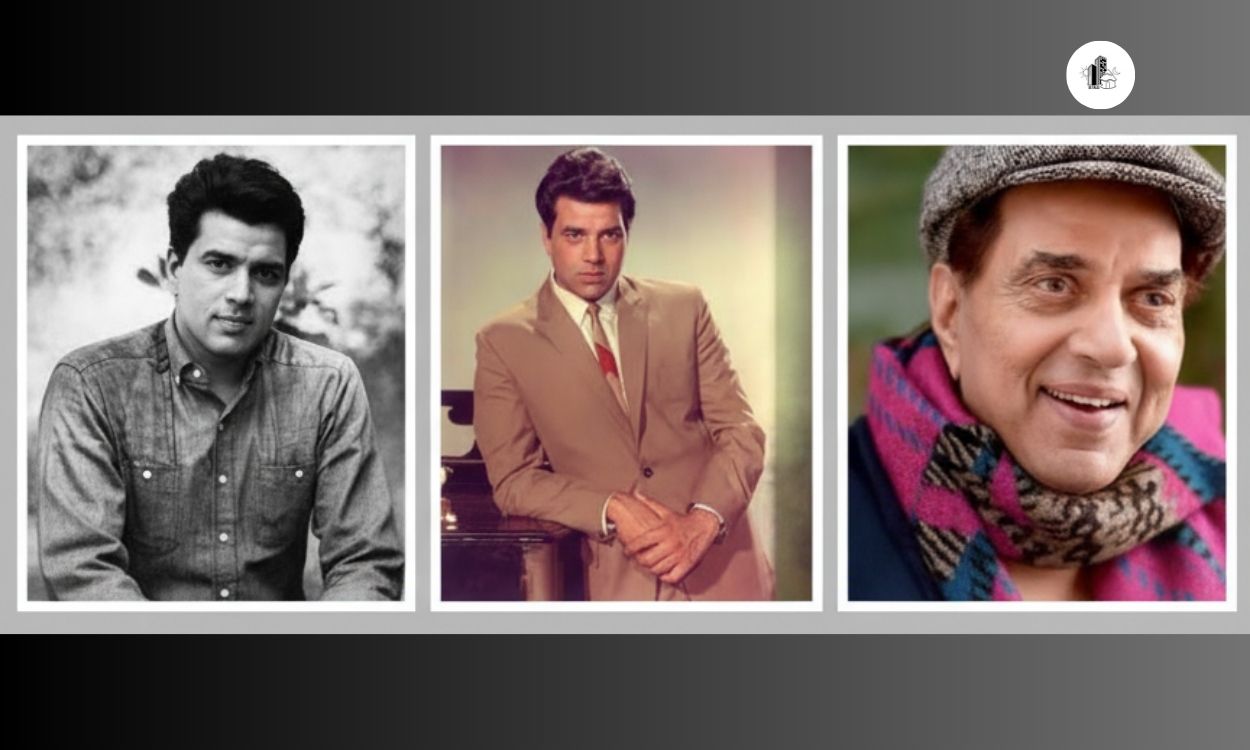
Dharmendra Passes Away at 89: India Says Goodbye to “He-Man”
What Makes This Flag So Special
Look closely and you will see three golden symbols hand-embroidered on the flag:
- A shining Sun – it reminds us of Lord Ram’s Suryavansh lineage and endless energy.
- The holy Om – the first sound of creation.
- The rare Kovidara tree – a symbol of purity and the dream of Ram Rajya.
Craftsmen in Ahmedabad worked day and night for 25 days to stitch it with parachute cloth and silk thread. This flag can face strong winds up to 60 km per hour, heavy rain, and bright sun for years.
A Day Chosen by the Stars
The date was not picked by chance. 25 November 2025 fell on Vivah Panchami – the day Lord Ram married Mother Sita. Moreover, the flag rose during Abhijeet Muhurat, the most auspicious time between 11:58 am and 1 pm. Many believe this muhurat belongs to Lord Ram himself.
This day also marks the martyrdom of Guru Tegh Bahadur ji, the ninth Sikh Guru, who once meditated in Ayodhya for 48 hours. So Hindu and Sikh hearts celebrated together.
Who Stood on the Stage
Prime Minister Narendra Modi stood in the centre. To his side were Uttar Pradesh Chief Minister Yogi Adityanath and RSS chief Mohan Bhagwat. More than 100 learned priests from Ayodhya, Kashi, and South India guided every ritual. The chief priest, Ganeshwar Shastri from Kashi, led the mantras.
Voices That Touched Every Heart
PM Modi spoke softly but every word carried weight. He said, “Today the wounds of centuries are healing. The pain of centuries is finding peace. A promise kept for 500 years is fulfilled today.”
He reminded everyone of Lord Ram’s teaching: “Pran jaaye par vachan na jaaye” – we may lose our life, but we never break our word.
Chief Minister Yogi Adityanath added, “This saffron flag is a message that the light of dharma never dies. The values of Ram Rajya are forever.”
From Ground-Breaking to Flag-Top
This was the third historic visit by PM Modi:
- 5 August 2020 – he performed Bhoomi Pujan and laid the first brick.
- 22 January 2024 – he led the Pran Pratishtha and woke up Ram Lalla in the sanctum.
- 25 November 2025 – he hoisted the flag and declared the temple fully complete.
A Temple That Teaches India’s Story
Walk around the temple and you will never feel bored. The outer walls carry 87 stone carvings that narrate the full Ramayana. Another 79 bronze panels on the boundary walls show scenes from Indian culture. Children and adults stop, read, and learn.
The huge temple complex also has smaller shrines – Saptamandir for great sages, Sheshavtar temple, and Mata Annapurna temple. PM Modi visited each one and offered prayers.
Ayodhya Bloomed Like a Bride
The city wore a new look. Workers used 100 tons of fresh flowers to decorate streets and the temple path. Clean roads, new signboards, and smiling sanitation teams welcomed everyone.
Almost 7,000 security personnel, including NSG snipers and anti-drone systems, kept watch silently so that devotees could pray in peace.
Ordinary Heroes in the Crowd
Around 6,000 to 10,000 special guests received invites. Many were simple people – boatmen communities who remember Nishadraj, tribal families who love Shabari Mata, and common karsevaks who gave years of their lives for this temple. For the first time, they sat in the front rows.
A Promise Kept, A New India Rises
As the saffron flag caught the evening sunlight, millions felt one thing – India kept its word. A temple that was only a dream for grandparents is now alive for children to see, touch, and pray in.
This is not just the end of construction. This is the beginning of a new chapter where faith and development walk hand in hand.
FAQs
- What does Dhwajarohan mean?
It is the final ritual when a temple hoists its flag. It declares the temple is fully built and spiritually alive. - Is Dhwajarohan different from Pran Pratishtha?
Yes. Pran Pratishtha (January 2024) gave life to Ram Lalla’s idol. Dhwajarohan (November 2025) completes the whole building and opens all 44 gates forever. - Why was the flag hoisted on 25 November 2025?
The day was Vivah Panchami (Ram-Sita wedding day) and fell in the best muhurat. It is also the martyrdom day of Guru Tegh Bahadur ji. - Who made the saffron flag?
Experts in Ahmedabad stitched it in 25 days using parachute cloth and golden silk thread so it lasts for years. - How big is the flag and where does it fly?
The flag is 22 feet long and 11 feet wide. It flies on a 42-foot pole on top of the 161-foot main spire. - Can common people visit the temple now?
Yes. After the flag ceremony, all gates stay open every day for everyone with love for Lord Ram.














Leave a Reply